The Lighting Changes That Made My Living Room Feel More Expensive
I want to tell you about the night I turned off the overhead light in my living room and just sat there for a minute.
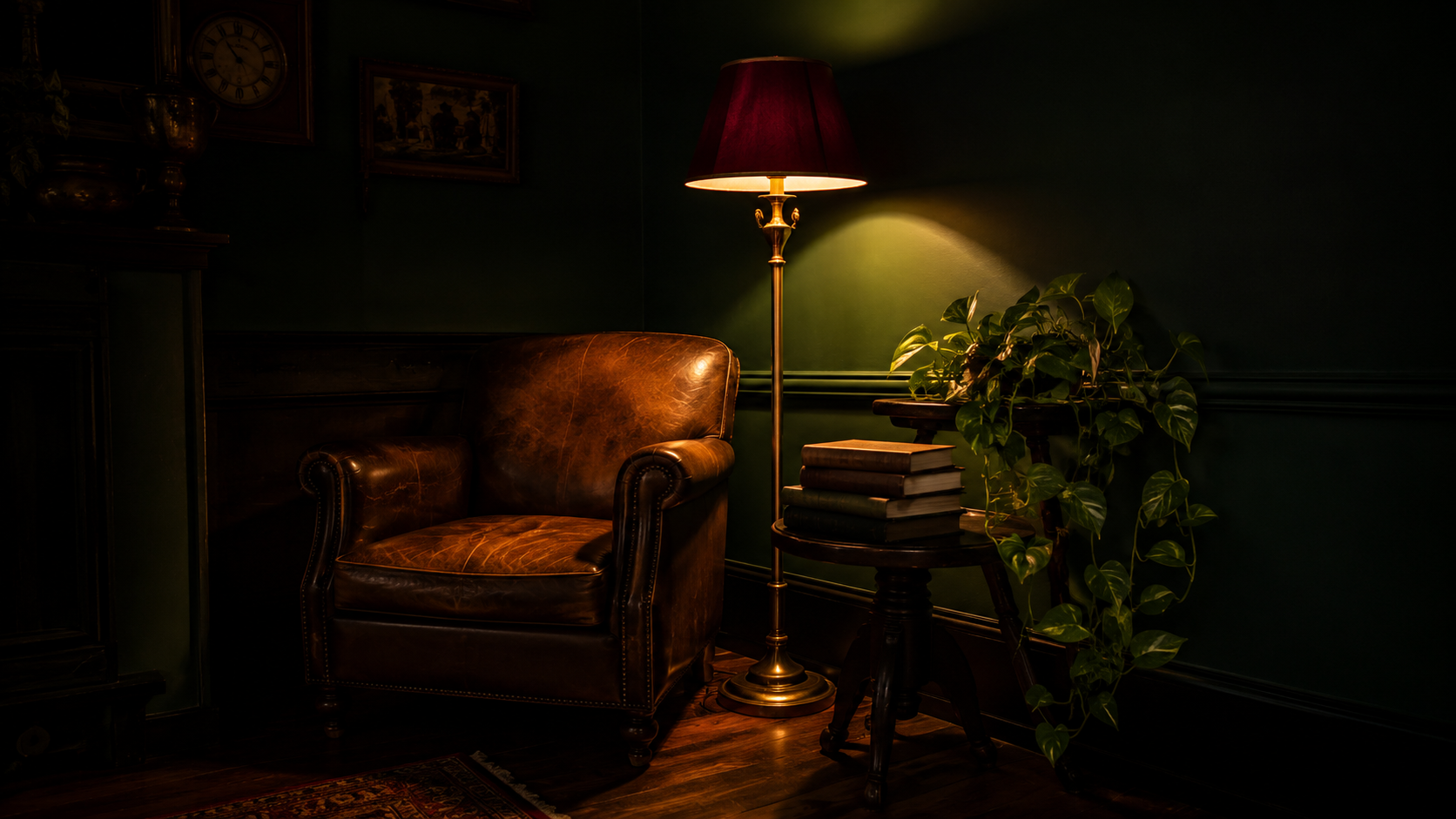
Nothing changed. Same furniture. Same walls. Same room I’d been looking at for two years. But with just a floor lamp on by the sofa and a small table lamp across the room, it suddenly looked like somewhere I’d actually want to spend time in.
I hadn’t bought anything. I hadn’t moved anything. I’d just flipped a different switch.
Here’s what I’ve learned since: most living rooms suffer from what I call hotel lobby lighting — bright enough to see everything, but never warm enough to enjoy anything. One overhead fixture doing all the work, every single evening, for a room that deserves so much better.
Rogier van der Heide, one of the world’s most respected lighting designers, puts it plainly: “Lighting design is not about the number of lights or the lumens they emit. It’s about the story they tell.” Most living rooms are telling the wrong story. Here’s how to change it — without rewiring a single thing.
At Bluvelle, we call it the 9pm test. Tonight, turn the overhead off and switch on every lamp you have. Notice which version of the room you’d actually want to spend the next two hours in. That answer tells you everything your current lighting plan is getting wrong.
Continue reading
10 Small Patio Ideas That Make You Want to Spend More Time Outside
Your overhead light is working against you
That ceiling fixture you flip on every time you walk in? It was designed for navigation — to help you not trip over the coffee table. It was never meant to set a mood or make a room feel warm.
Research on lighting psychology confirms why it feels wrong: light above eye level creates restraint and formality. Light at eye level or below — a table lamp, a floor lamp, a sconce — creates intimacy and comfort. Your body knows this before your brain does.
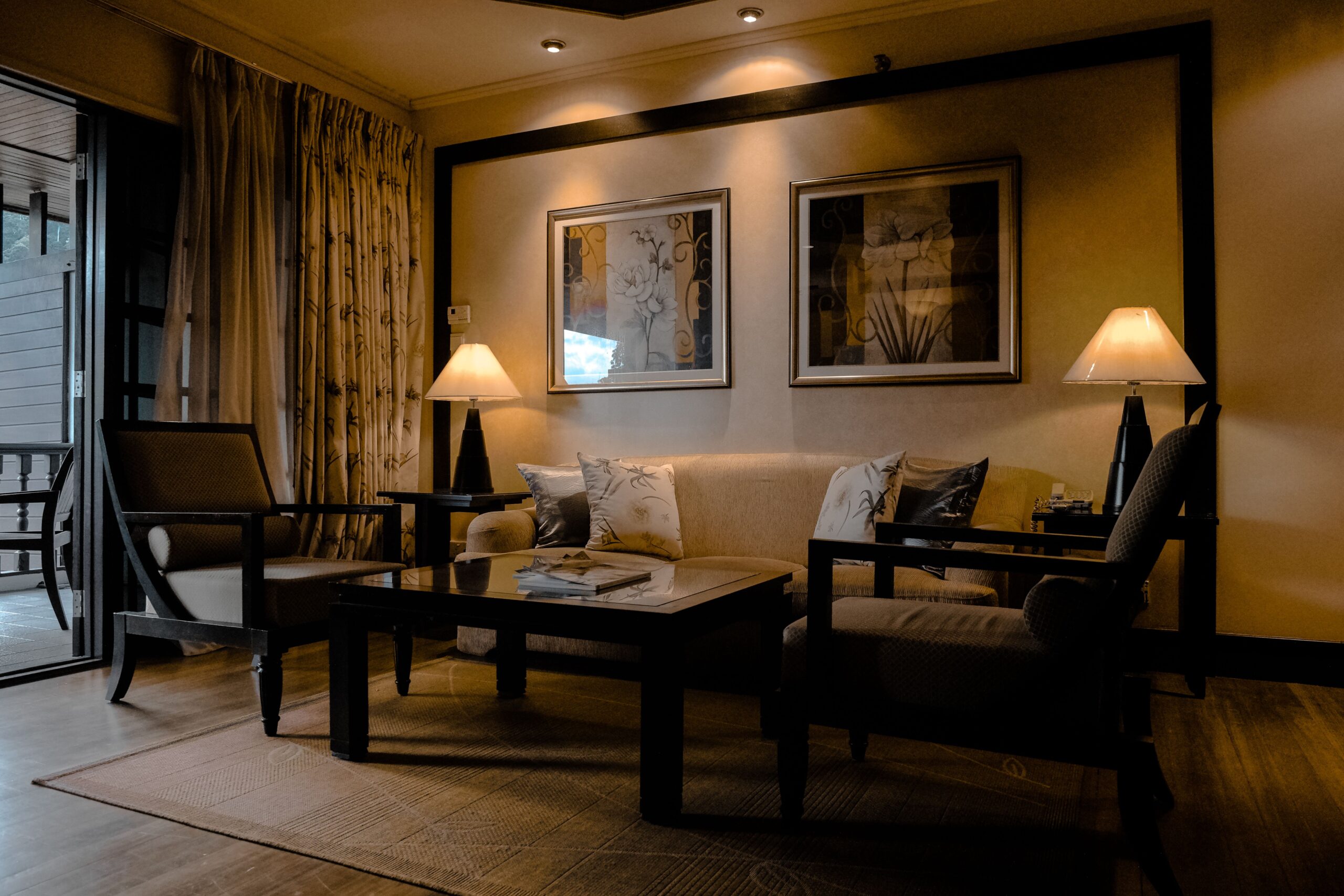
Try this tonight: Turn the overhead off and use only whatever lamps you already have. If the room immediately feels warmer and you wonder why you’ve never done this before — that’s your answer.
Your bulbs have a number on them, and it matters
Most people have never once looked at the number on their light bulb box. But that number — the color temperature, measured in Kelvin — is quietly doing more to the feel of your room than almost any decorating decision you’ve made.
Bulbs at 4000K–6000K are cool white. They boost alertness and concentration — which is why they’re perfect for offices and exactly wrong for a living room in the evening. Bulbs at 2700K–3000K are warm white. They actively encourage relaxation and comfort at a biological level, triggering the same response as natural fire and candlelight.
One study even found that brighter, cooler light makes emotions more intense — which partly explains why a harshly lit room can make you feel vaguely agitated without knowing why.
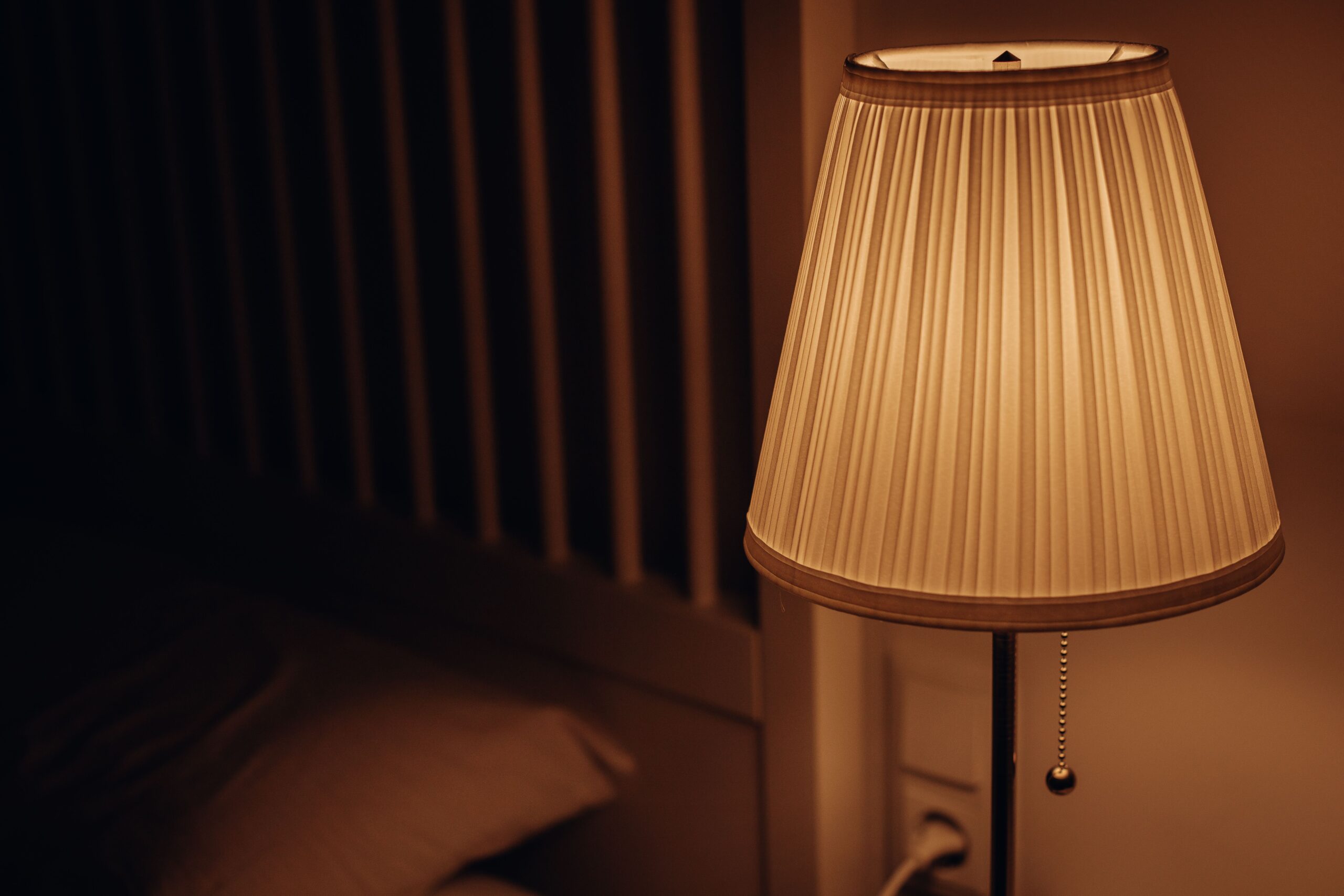
Do this: Look at your current bulbs. If the box says anything above 3000K, swap them. Look for “soft white” or “warm white” on the packaging at Target or Home Depot — 2700K is the sweet spot. It’s a $10 change that affects how the whole room feels every single evening.
Continue reading
15 Small Living Room Ideas That Actually Work (No Renovation Required)
You only have one layer of light — and that’s the whole problem
This is the real secret behind why some rooms feel expensive and others don’t. It’s not the furniture or the rugs. It’s the layers.
Every well-designed room has three types of light: ambient (general brightness), task (reading, working), and accent (the emotional layer — depth, shadow, personality). Most living rooms have too much of the first, some of the second, and almost none of the third.
Accent lighting is what makes a room feel designed rather than just lit. A small lamp on a bookshelf. A sconce casting a warm glow. Candlelight on the coffee table. These create pools of warm light surrounded by softer shadow — and that contrast is literally what expensive rooms look like. Not brighter. Just more deliberate.
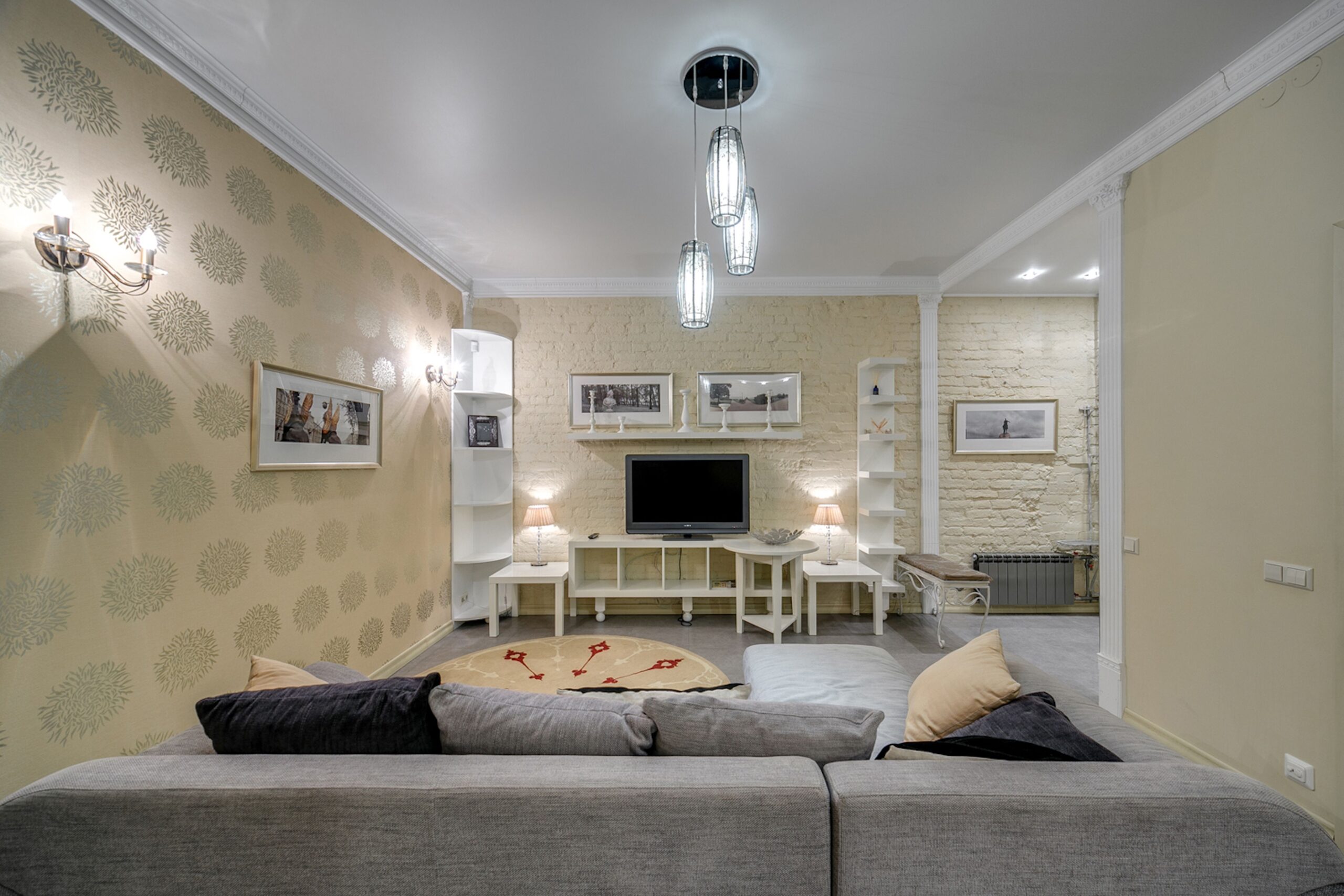
Do this: Add one accent light source you don’t currently have. It doesn’t need to cost much — a small lamp on a shelf, a candle with a real presence, a plug-in sconce that needs no electrician and no wiring. That single addition will do more for the feel of the room than almost anything else on this list.
The best light in your living room is already free
This one gets skipped in almost every lighting article because it doesn’t involve buying anything.
Your windows are a light source. The most alive, most flattering, most dynamic one available — and most people block it with heavy drapes, push furniture in front of it, or simply never think about it as part of their lighting plan.
Sheer curtains instead of blackout panels let daylight diffuse softly without sacrificing privacy. A mirror across from a window bounces that light deeper into the room. Pulling furniture away from blocking a window changes how the whole room reads during the day.
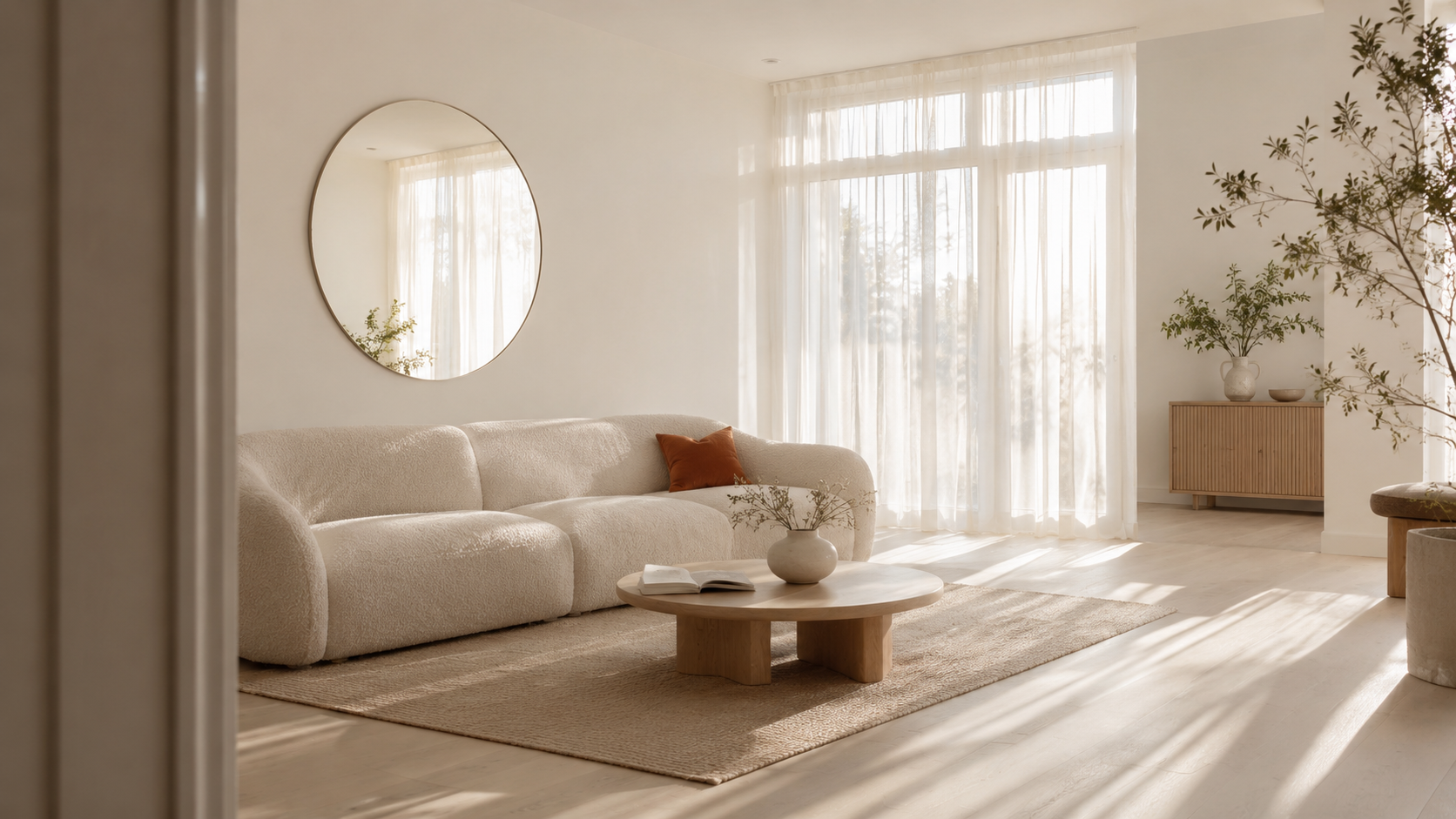
Do this: look at your windows honestly. Are you letting that light in, or blocking it without realizing? Start there — before you buy a single bulb.
Continue reading
Why Your Kitchen Always Looks Messy (Even Right After You Clean It)
Light the things in your room worth looking at
Accent lighting isn’t just about warmth. It’s about directing the eye toward the things that deserve to be noticed.
A bookshelf with a small lamp becomes something to look at. A piece of art with a picture light above it earns a presence it never had under flat overhead lighting. A plant with warm light cast across it becomes part of the room’s atmosphere rather than a prop in the corner. The room stops being a box of things and starts having a visual story — some elements warm and lit, others quietly receding into shadow.
That’s the whole principle behind the “expensive” feeling: depth, contrast, and the sense that someone decided what mattered and lit that thing with intention.
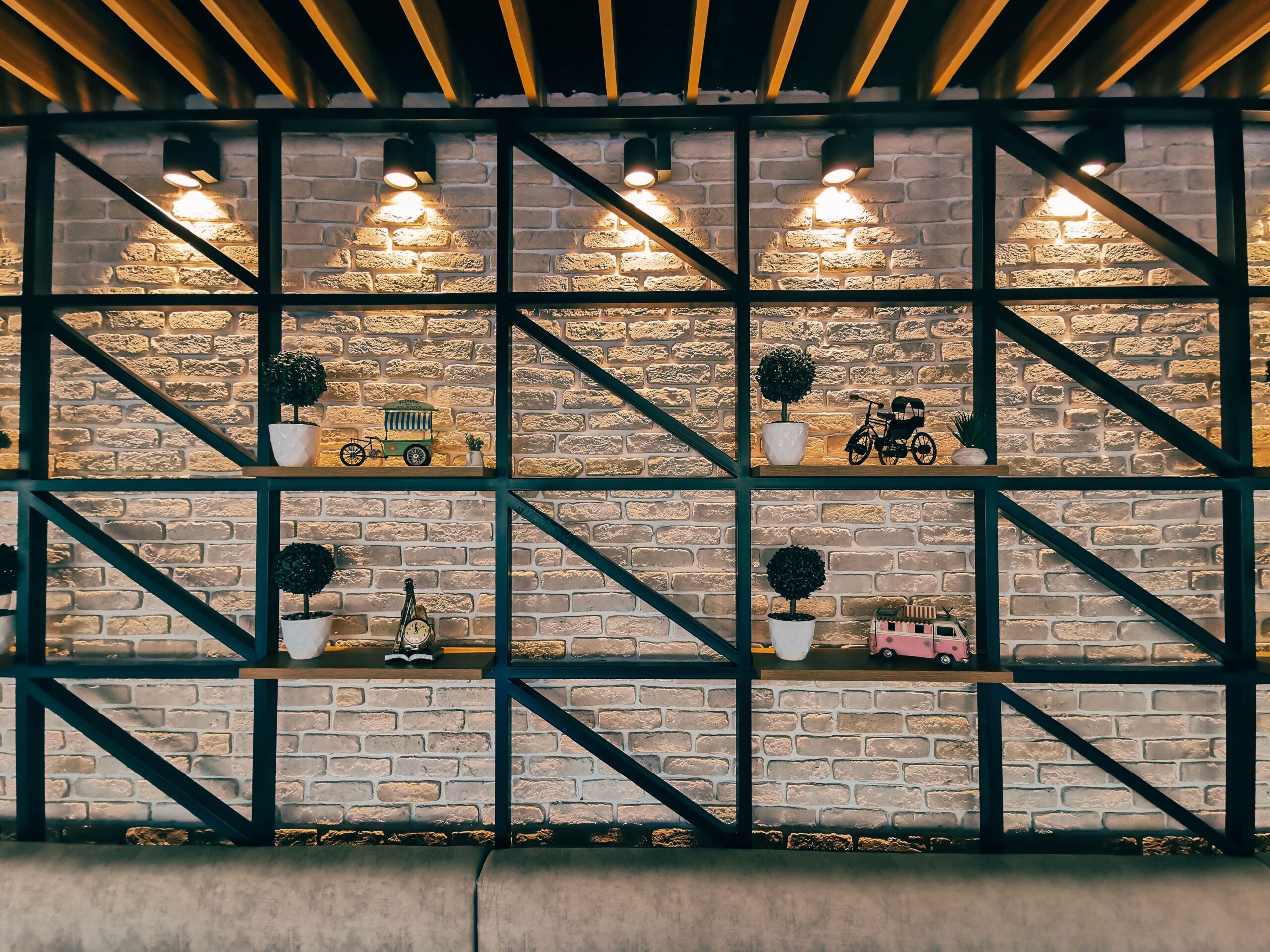
Do this: pick one thing in your living room you actually love — a bookshelf, a plant, a piece of art — and put a light near it that didn’t exist before.
Your lamps are all the same height
This is the one most people never notice until it’s pointed out — and then they can’t stop seeing it.
When every lamp sits at exactly the same height, the light is uniform. Uniform light makes a room feel flat and institutional, no matter how nice the individual fixtures are. Varying the height is what creates depth and shadow — a tall floor lamp beside the sofa, a low table lamp on the side table, a sconce at wall height. Three heights, three pools of light, one room that looks like someone designed it on purpose.
At Bluvelle, this is one of the first things we check when a room feels off but nobody can say why. Almost always, every light source is at exactly the same level.
Do this: count the height of every light source in your room right now. If they’re all at table height, add something lower or taller. Even one change breaks the flatness.
Your lampshade is still the one that came in the box
I swapped one lampshade last year — a plain white drum for a pleated linen one, $32 from Target — and three people asked if I’d gotten a new lamp. Same base. Same bulb. Completely different room.
The standard off-white drum shade that comes with most lamps was designed to be inoffensive. Not beautiful. Just there. A shade with actual texture — pleated linen, rattan, an empire shape — transforms the fixture entirely. A lampshade with presence makes a lamp look like a decision, not a default.
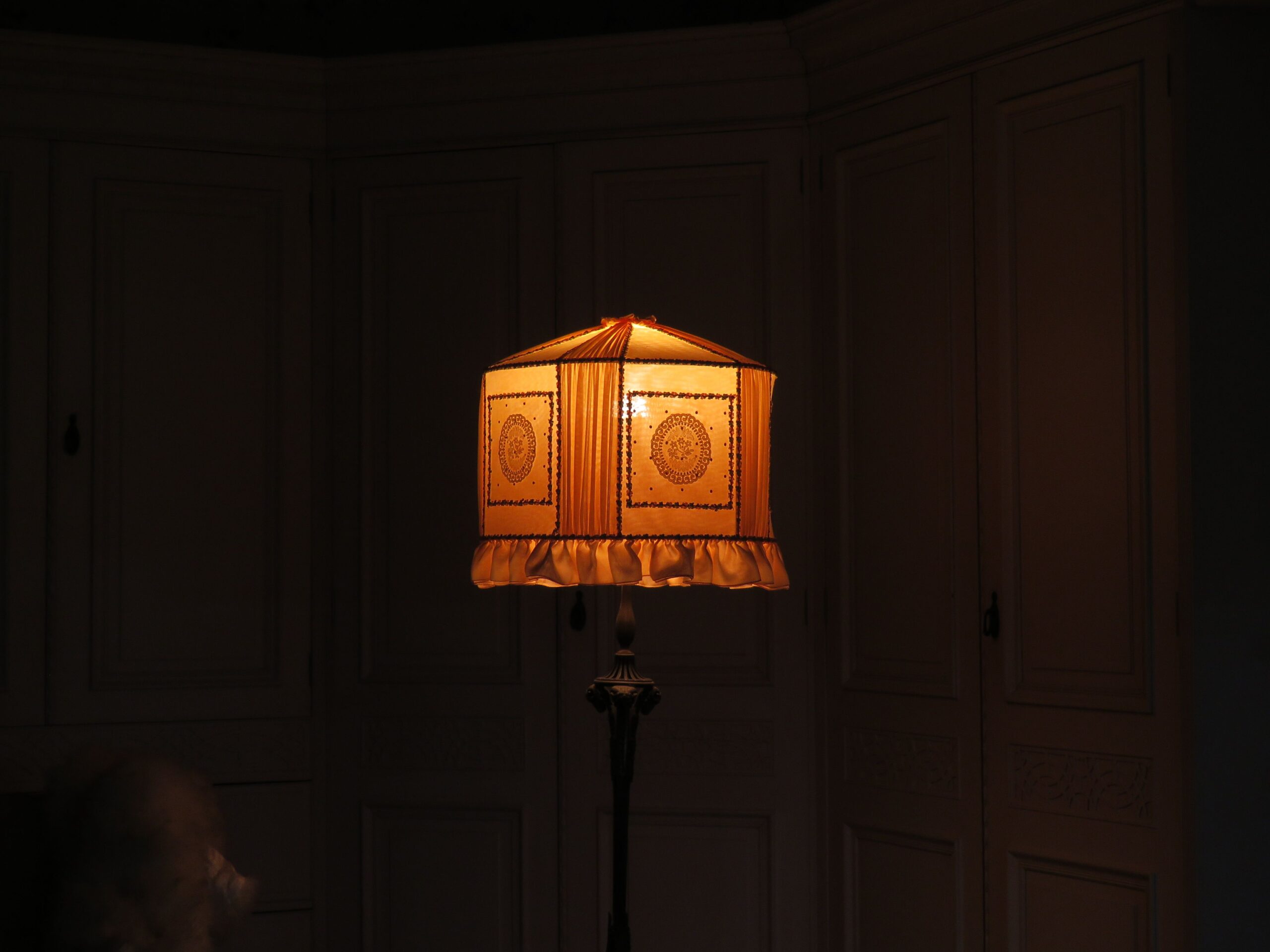
Do this: swap one shade. Under $50 at Target, West Elm, or Amazon. Pick a different shape and a texture that isn’t plain white fabric.
You don’t own a dimmer — and you’re missing the simplest upgrade on this list
The first time someone told me about plug-in dimmer switches, I genuinely didn’t believe it was that simple.
You don’t need an electrician. A plug-in dimmer from Home Depot or Amazon — $10–15 — goes between your lamp cord and the wall outlet. Your lamp dims. That’s it. Under two minutes to install.
Dimmable lighting gives you control over the emotional tone of the room: low and warm for evenings, slightly brighter for reading, off entirely when you want quiet. That flexibility is what makes a room feel designed for real life, not just for looking at.
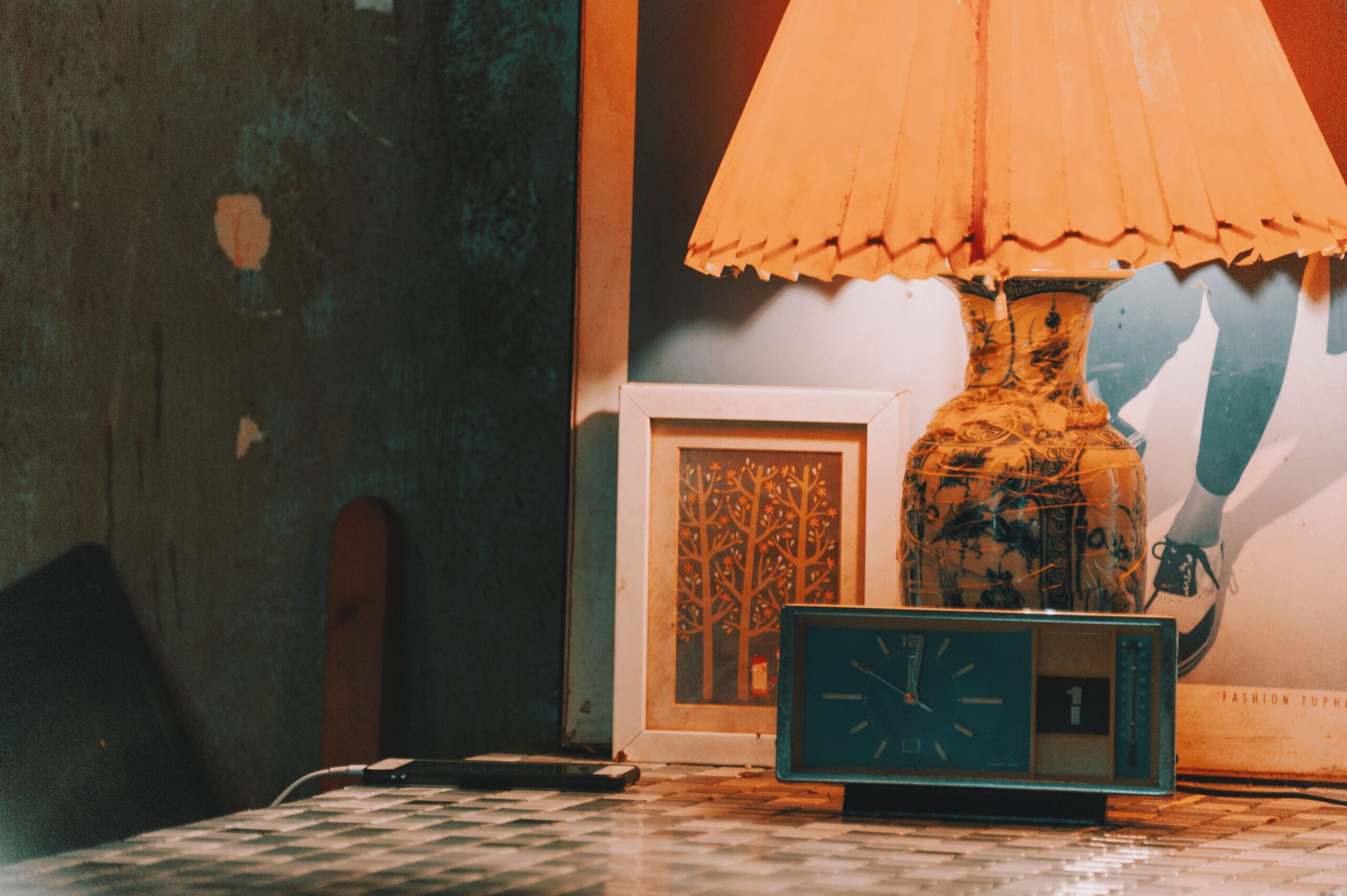
Do this: order one this week. Put it on the lamp you use most in the evenings. See what the room becomes after 9pm
None of this requires a contractor, a new fixture, or a significant budget. The best lighting upgrade in your living room might be a switch you already own but never thought to turn off. Do the 9pm test tonight. Start there — with the overhead off, one warm lamp on, and five minutes of noticing what the room already has to say.
At Bluvelle, we think of good lighting the same way we think about every room: it’s not about adding more. It’s about getting more from what’s already there.