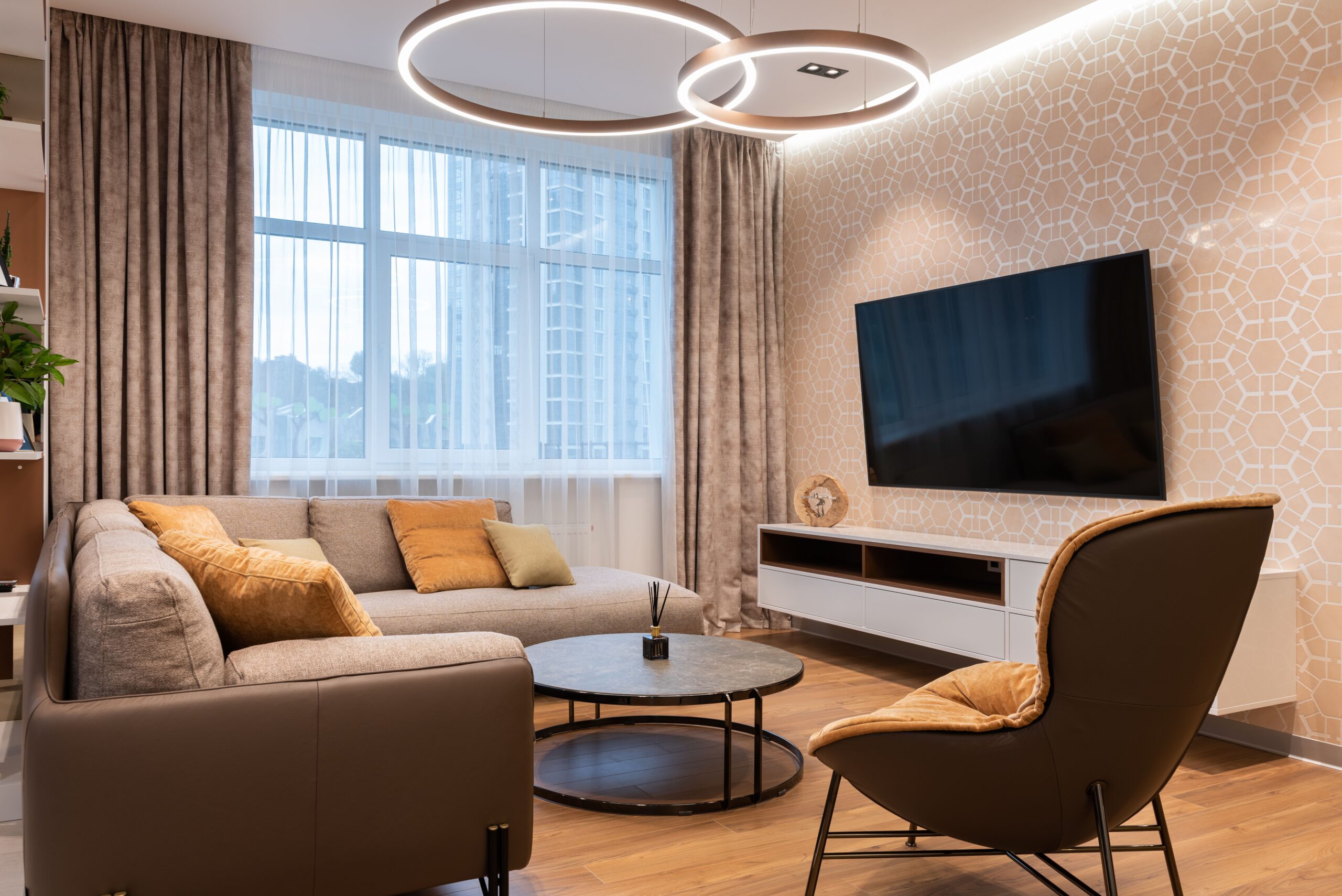
Let’s be honest about something first: most “small space” advice online is written by people who clearly have never lived in a small space. “Just remove furniture you don’t need!” Cool, thanks, I needed all of it, that’s why it’s there.
At Bluvelle Home Decor, we love beautiful interiors, but we also believe good design should work in real life. Most people aren’t renovating their living rooms every six months or shopping with an unlimited budget. They’re trying to make the space they already have feel more comfortable, functional, and inviting.
That’s exactly what this guide is about.
These are 15 ideas that real small-living-room owners actually use — pulled from real before-and-afters, real designer habits, and a lot of trial and error (some of it ours). None of these require a contractor. Most of them cost less than a takeout order. Pick the three or four that solve your specific annoyance and start there — you don’t need to do all 15 this weekend.
1:- Float your sofa instead of pushing it against the wall
This feels backwards, but it works almost every time. Pulling your sofa a foot or two away from the wall — even with nothing behind it — creates a sense of depth that makes the whole room read as bigger, not smaller. If you have room, slide a slim console table behind it for extra surface space. If you don’t, that’s fine too. The floating alone does the work.
2:- Pick one accent wall and commit
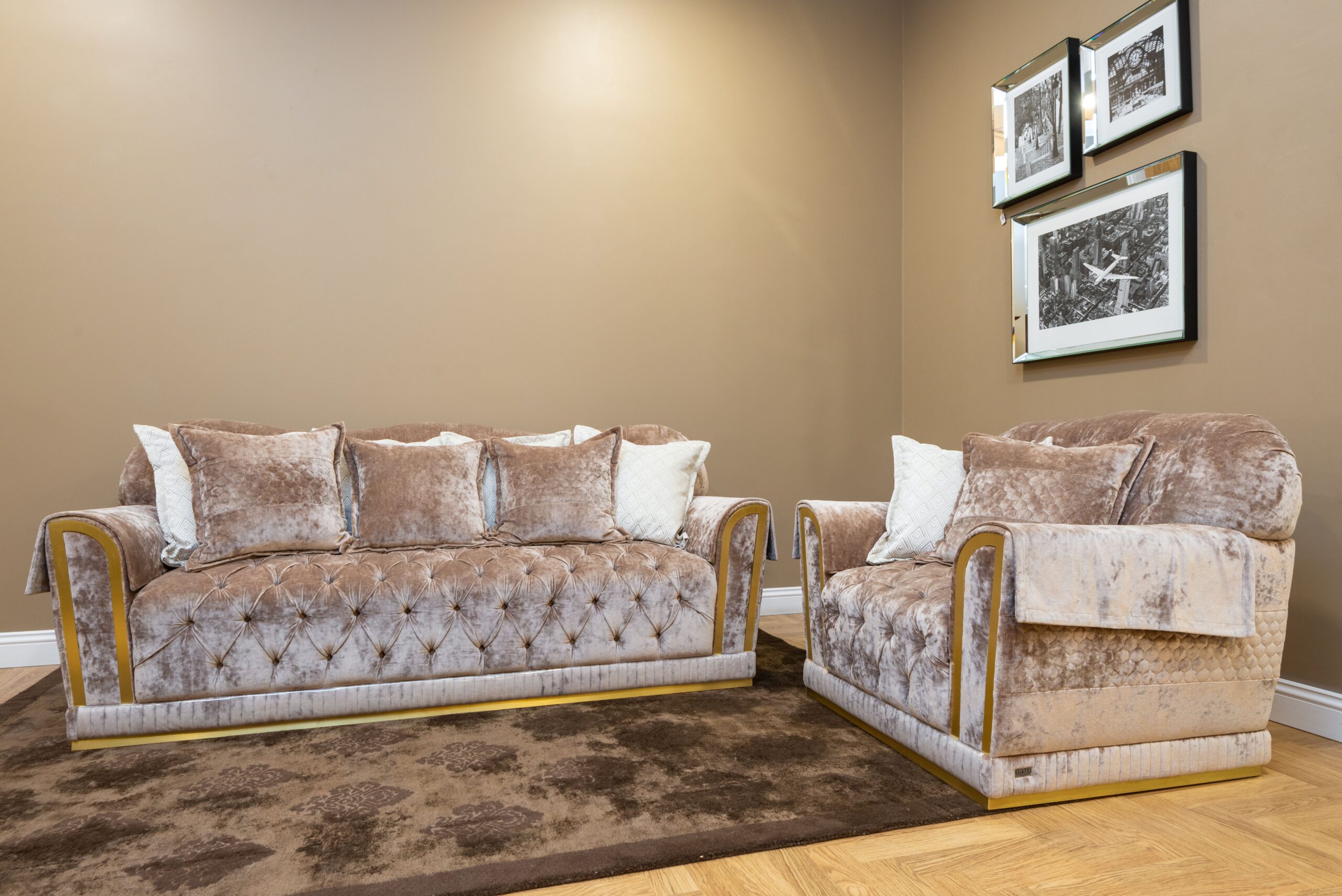
You don’t need to paint the whole room to get the benefit of color. One wall — usually the one behind your sofa, or whatever wall your eye lands on first when you walk in — in a deep, confident color (navy, forest green, terracotta) does more for personality than four pale, undecided walls ever will. If you’re renting and can’t paint, a big piece of art or a fabric panel gets you 80% of the same effect.
3:- Let furniture do double duty
In a small living room, every piece should be doing at least two jobs. An ottoman that opens up for storage. A coffee table with a shelf underneath. A console that’s both a TV stand and a place to stash extra blankets. Before you buy anything new, ask “what else could this do for me?” — it’s the single biggest mindset shift that separates a cramped room from a clever one.
4:- Go vertical with your storage
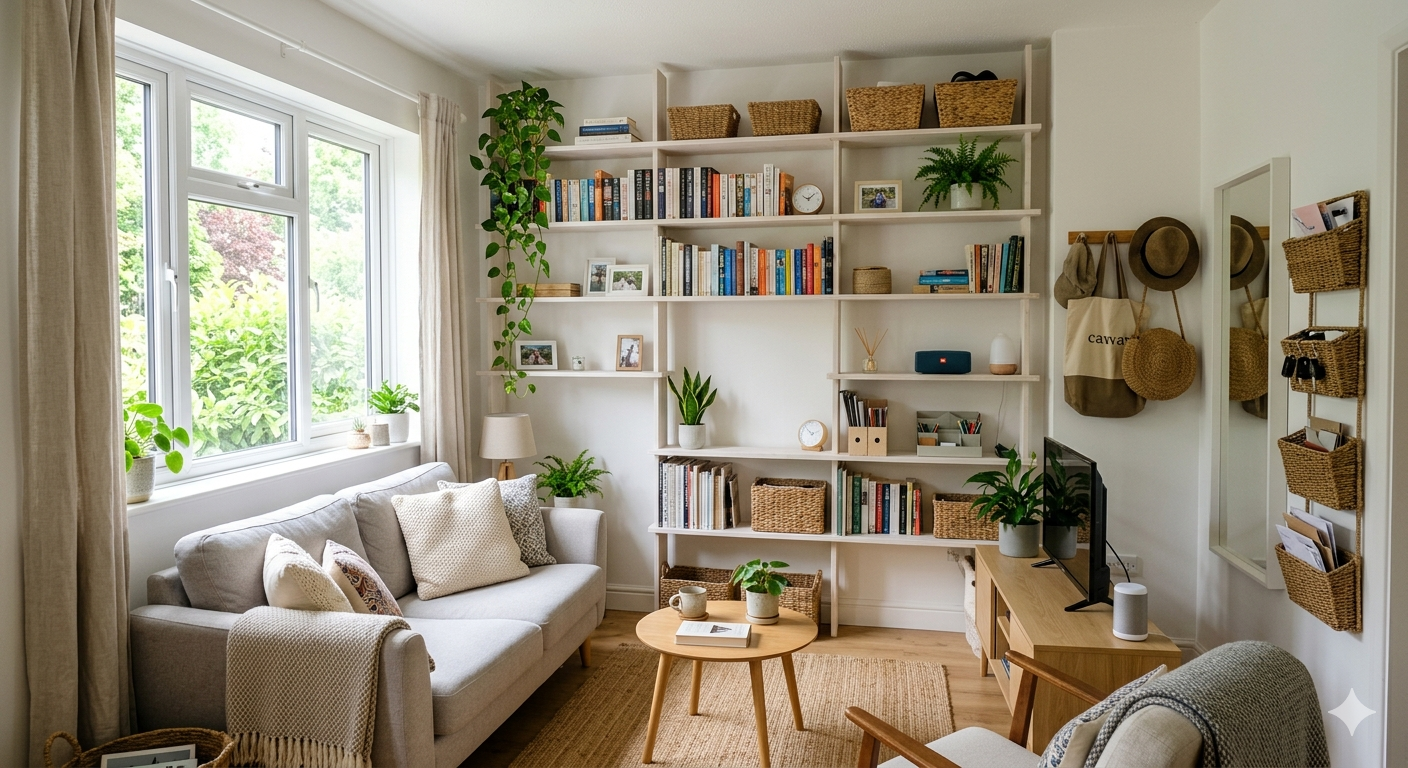
Floor space is the most limited thing you have, but wall space almost never is. Tall, narrow bookshelves, floating shelves above the sofa, even a ladder leaned in the corner for blankets — anything that pulls the eye upward makes the ceiling feel higher and the room feel roomier. Use the top shelves for things you rarely touch and the lower ones for what you actually reach for.
5:- Swap your rug for the right size
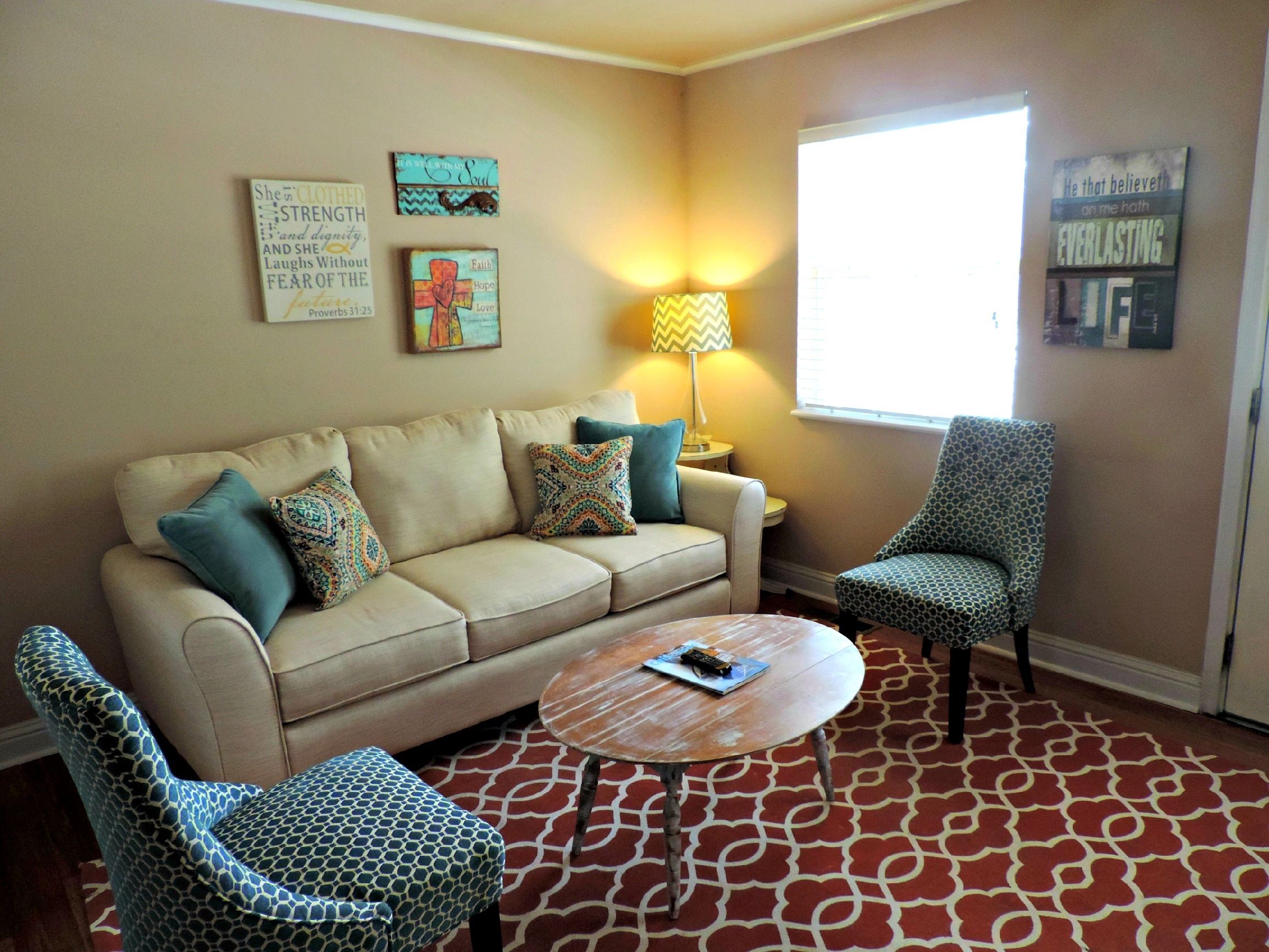
This is the most common small-space mistake, and it’s an easy one to fix: rugs that are too small make a room look smaller, not cozier — like the furniture is floating on a raft. The rule worth remembering: your rug should be big enough that at least the front legs of your sofa and chairs sit on it. It’s a small change, but it instantly makes the whole layout feel intentional instead of accidental.
6:- Use mirrors like a design trick, not an afterthought
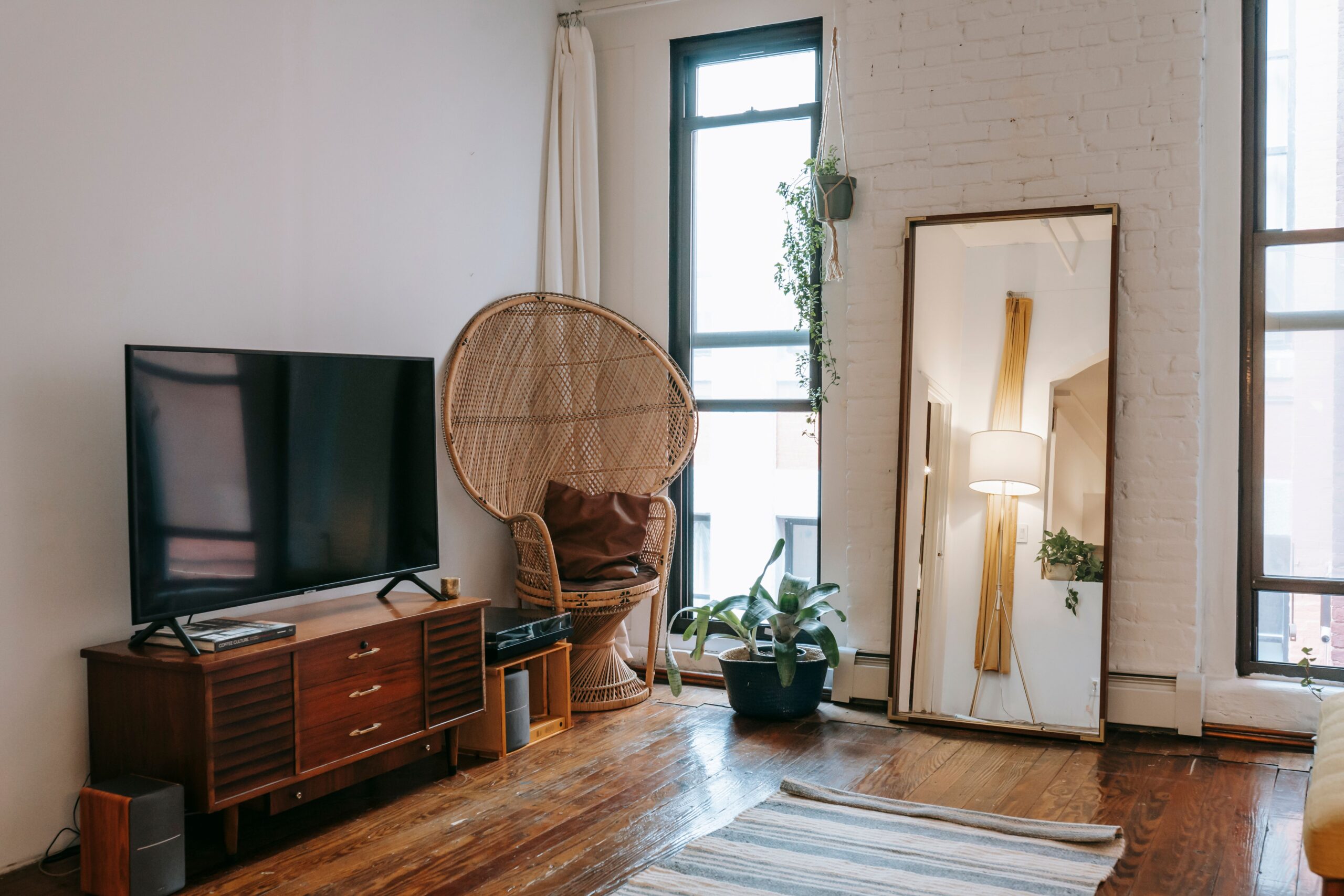
A well-placed mirror — especially one that reflects a window or a light source — genuinely makes a small room feel bigger, not just “shinier.” Lean a tall one against an empty wall, or hang one across from your main window so it bounces light back into the room. It’s one of the cheapest tricks on this list and one of the most effective.
7:- Don’t be afraid of one bold, “too big” piece
It sounds counterintuitive, but one larger, statement piece — an oversized mirror, a tall plant, a single dramatic light fixture — usually looks better in a small room than a bunch of small, scattered pieces. A room full of tiny things actually looks more cluttered. One confident statement piece gives the eye somewhere to land and makes everything else feel curated.
8:- Keep your color palette calm, then add personality through texture
Light, neutral walls and big furniture pieces make a small room feel open. But “neutral” doesn’t have to mean boring — that’s where texture comes in. A chunky knit throw, a woven basket, a linen cushion, a wood-and-rattan side table. Layering different textures gives a room warmth and depth without making it feel visually busy or cluttered.
9:- Hide the cords
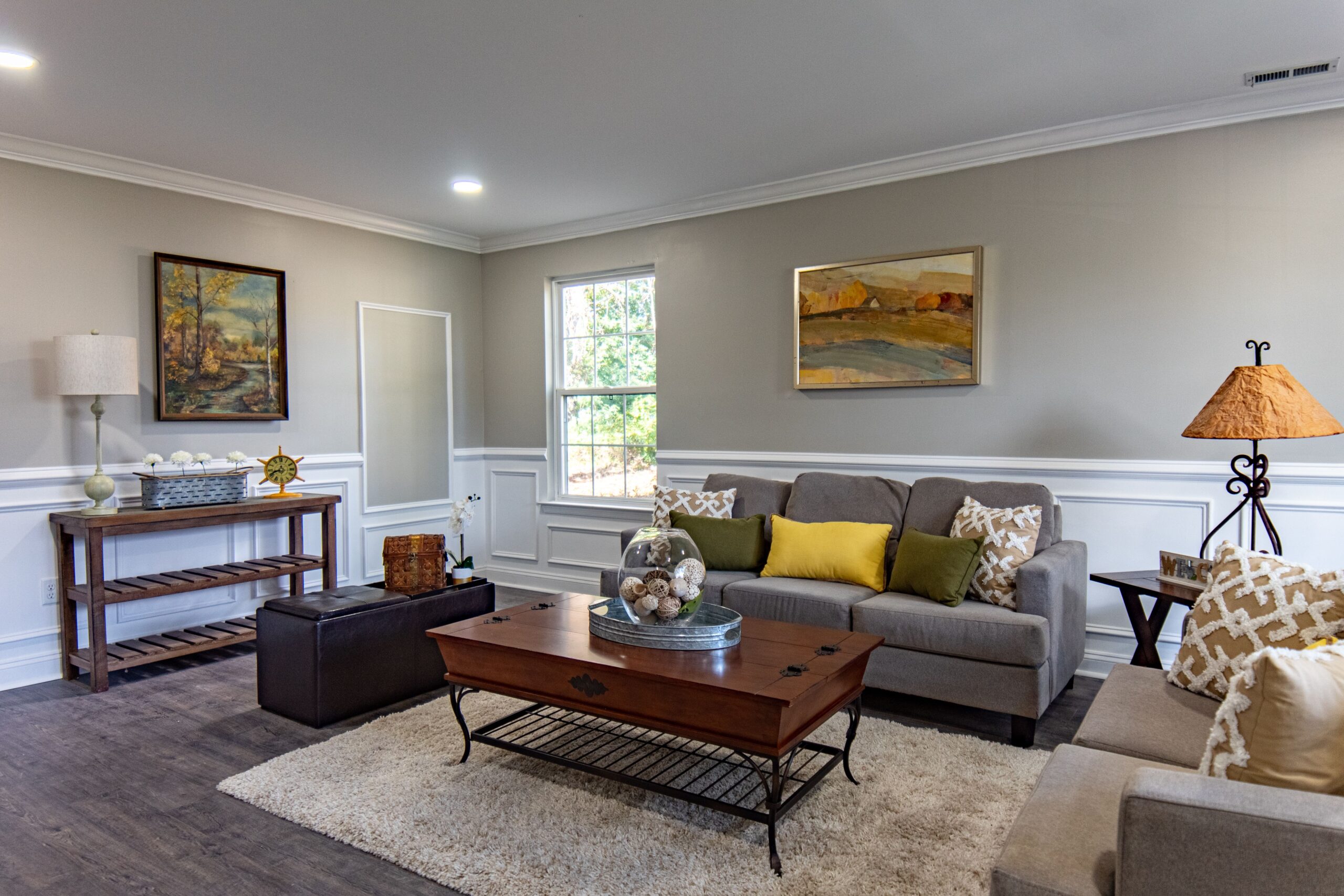
Nothing kills a styled room faster than a nest of visible cables behind the TV. A cheap cable raceway (the kind you can paint to match your wall) or simply velcro-tying everything into one bundle behind the console takes ten minutes and instantly makes a small living room look more put-together. It’s not glamorous advice, but it’s some of the highest-impact advice on this entire list.
10:- Choose a coffee table that’s lighter, not bigger
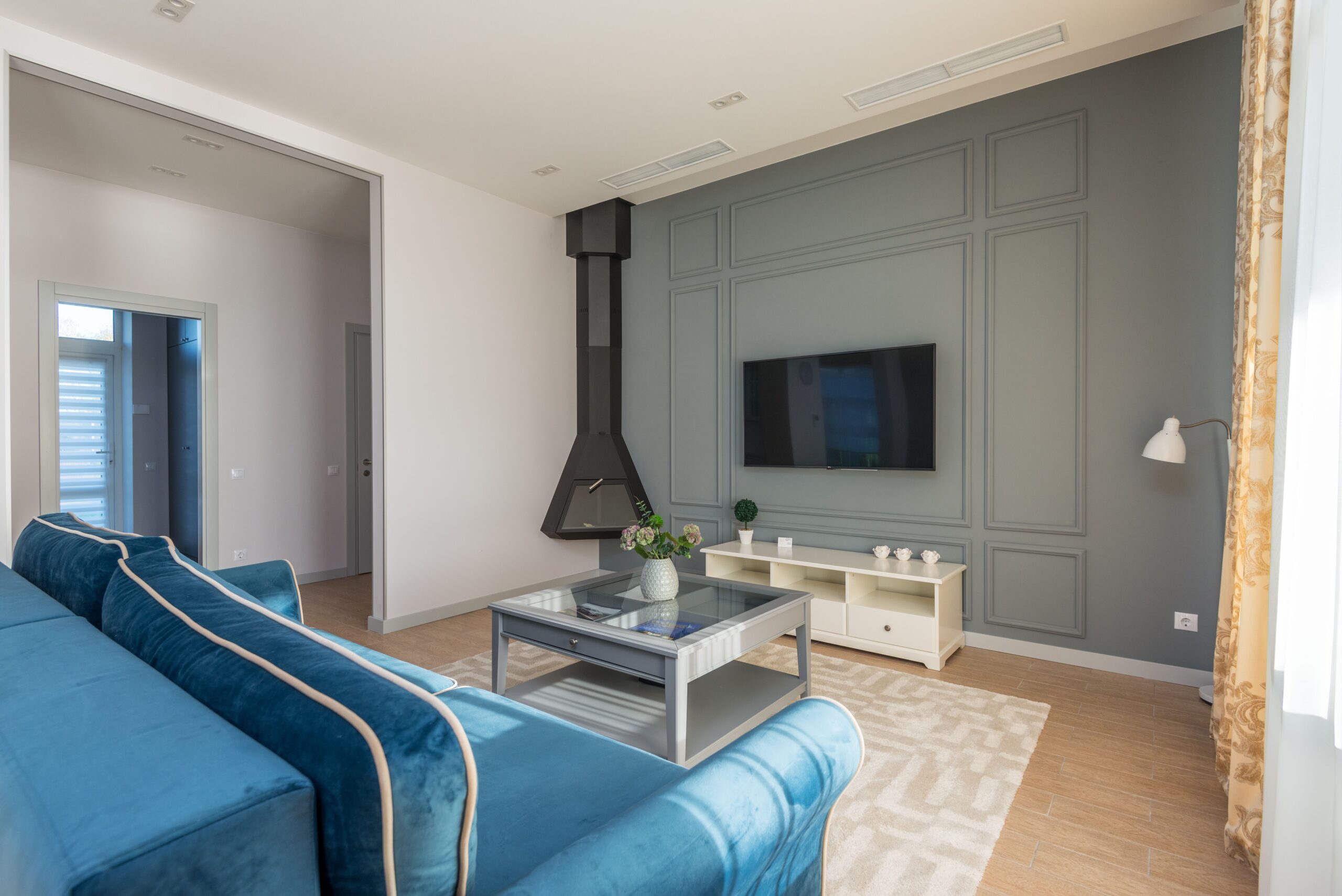
In a tight room, a chunky, solid coffee table eats visual space even if it’s not technically large. Look for something with exposed legs, glass, or an open base — anything that lets light pass underneath it. The room will feel less crowded immediately, even though you haven’t actually removed any furniture.
11:- Use curtains to create height, not just cover the window
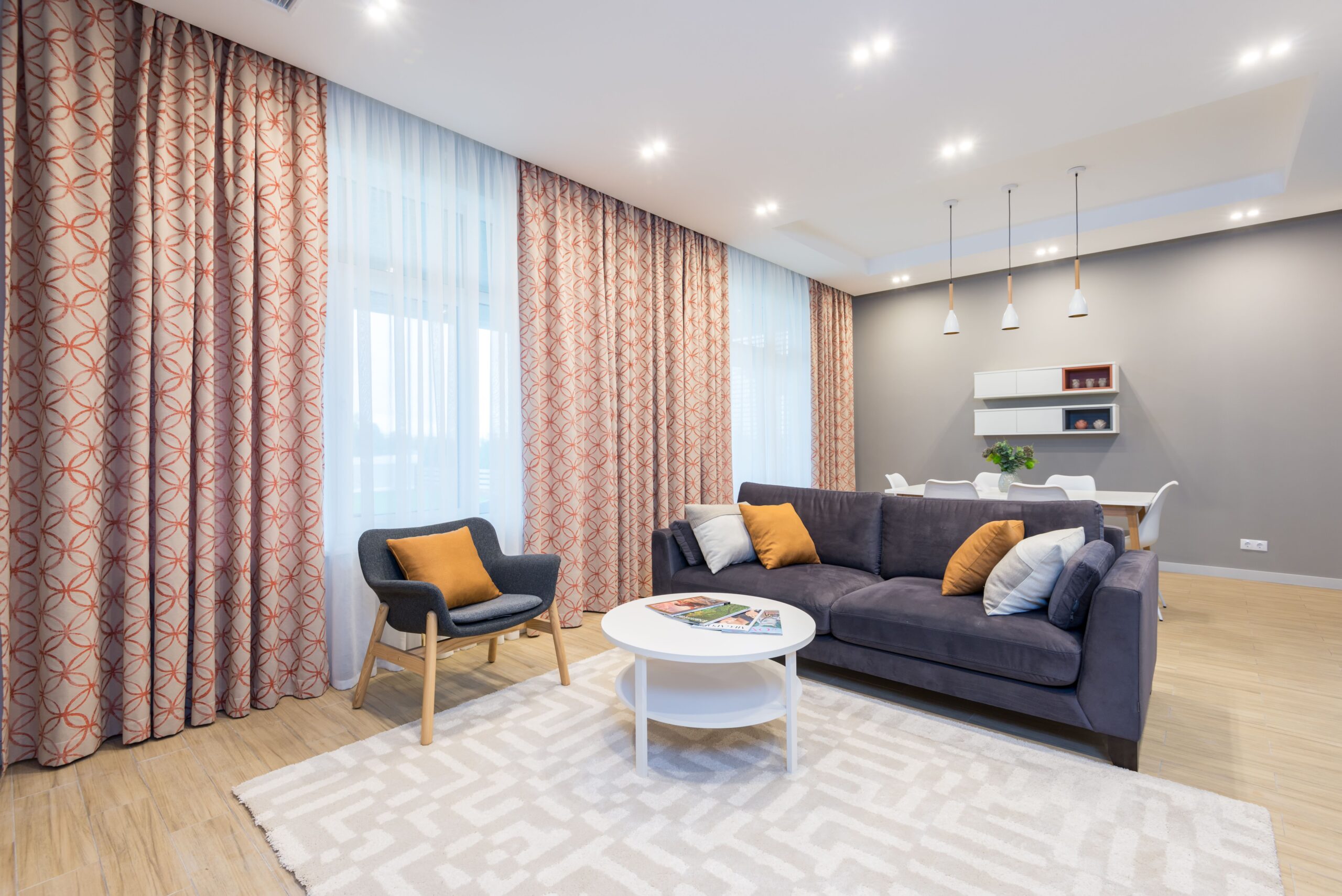
Hang your curtain rod closer to the ceiling than to the top of the window frame, and let the curtains fall all the way to the floor. This single trick tricks the eye into thinking your ceilings are taller than they are — which, in a small room, matters more than almost anything else you can do with fabric.
12:-Create a “room” even if you don’t have walls
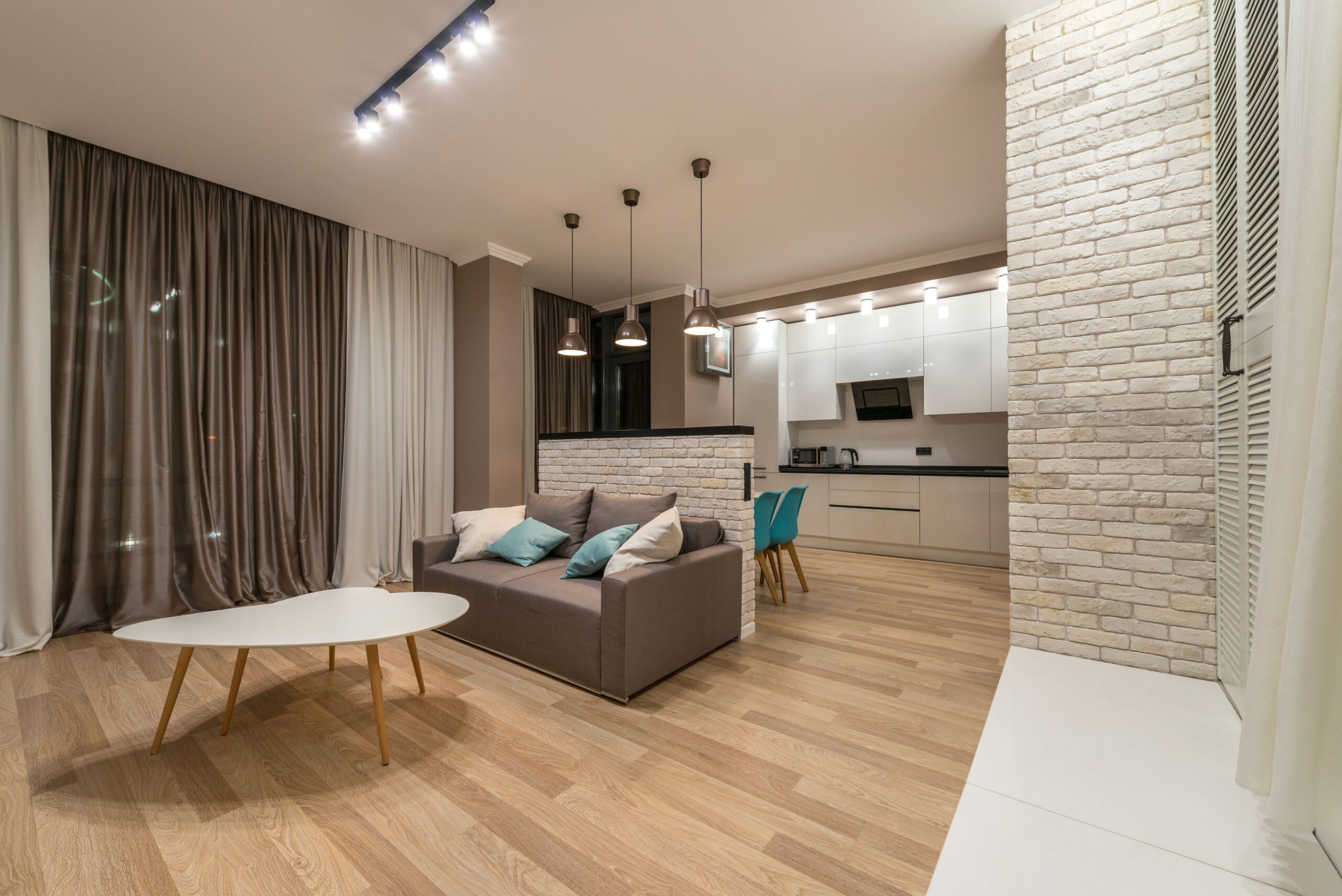
If your living room blends into your kitchen or hallway with no clear boundary, use a rug, a change in lighting, or even just furniture placement to signal “this is the living room” without needing an actual wall. A pendant light overhead, a rug underfoot, and furniture arranged to face each other does more to define a space than you’d think.
13:- Shop your own home before you shop anywhere else
Before you buy anything new, walk through your house and pull out the things you’re saving “for somewhere nicer” — the good candle, the framed print still in a closet, the table runner you never use. A small living room styled with things you already love and just haven’t used yet often looks better than one filled with brand-new purchases. It’s also free, which never hurts.
14:- Layer your lighting instead of relying on one overhead light
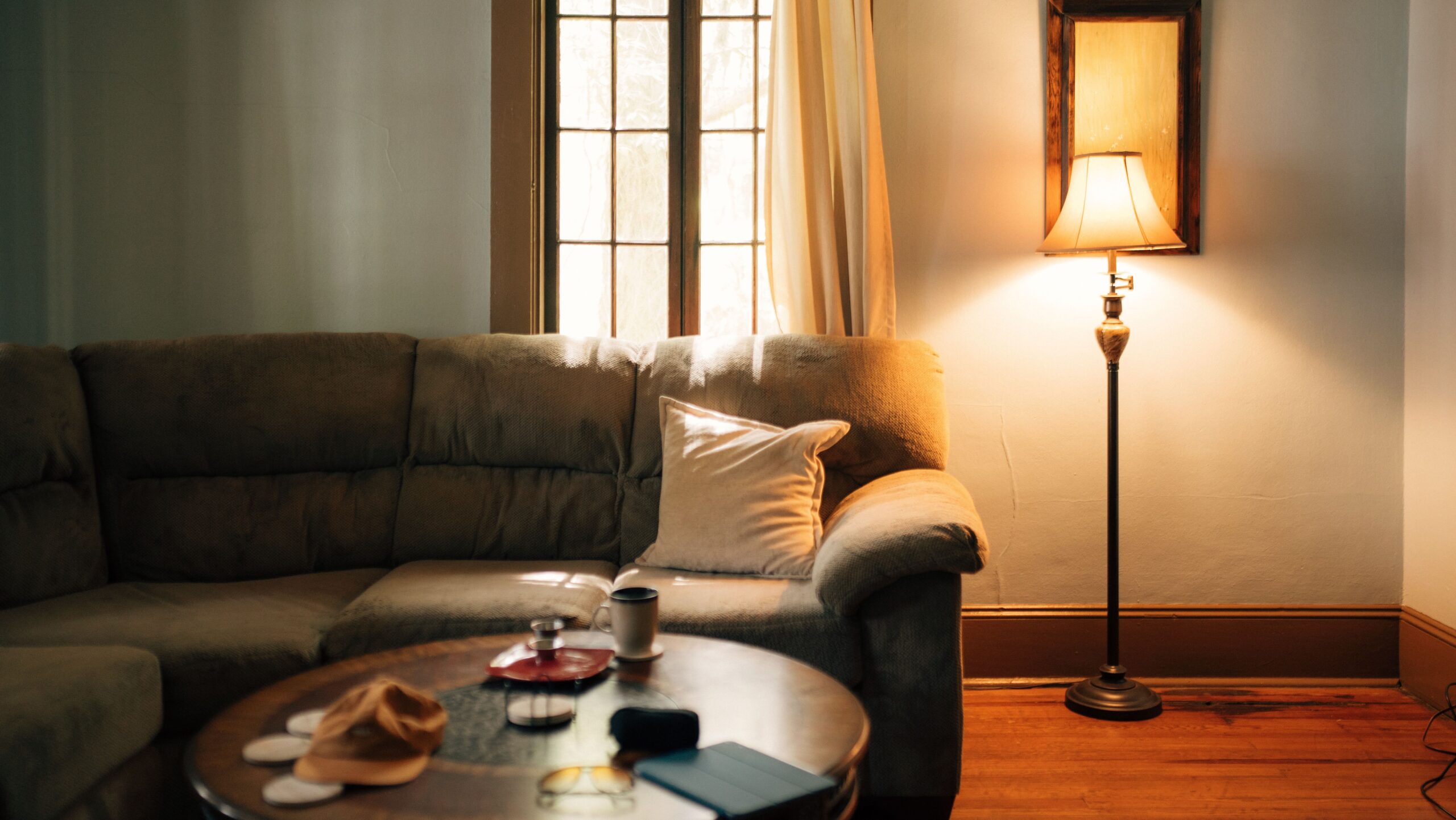
A single ceiling light makes most rooms feel flat and a little institutional — like a waiting room, not a living room. Add a floor lamp near your reading chair, a smaller lamp on a side table, and turn the overhead off some nights entirely. Warm, layered lighting is doing more “cozy” work than any piece of furniture you could buy.
15:- Stop trying to fit everything in at once
The biggest small-space mistake isn’t a design mistake — it’s a pacing one. Trying to solve everything in one weekend usually leads to a room that’s overstuffed and never quite finished. The small-space living rooms that actually feel good are almost always built slowly: one rug this month, one lamp the next, one piece of art when you find the right one. Give the room permission to be a work in progress. It still gets to be home in the meantime.
A small living room doesn’t need to feel limiting.
In fact, some of the most beautiful and memorable spaces are also some of the smallest. The difference usually isn’t square footage — it’s thoughtful decisions. Better lighting. Smarter furniture choices. A room layout that works with your daily life instead of against it.
At Bluvelle, we’ve noticed that the homes people love most rarely come together overnight. They’re built gradually, one meaningful change at a time.
So if you’re feeling overwhelmed, don’t focus on all 15 ideas at once.
Start with one improvement this week. Maybe it’s a larger rug. Maybe it’s better lighting. Maybe it’s simply removing the visual clutter that’s been bothering you for months.Everything else can happen gradually, whenever you’re ready for it.
Small changes add up faster than you think.
And remember: your living room doesn’t have to be perfect to feel like home.