Why Your Living Room Never Feels Big Enough (Even When It Is)
Okay, can we be honest about something? I once helped a friend rearrange her entire living room — moved the sofa, shifted the chairs, reposition the rug — and we stood back, looked at it, and she said “it looks great.” And then she sat down in her actual seat, looked around the room from where she’d actually sit every single day, and went quiet for a second before saying “…it still doesn’t feel right.”
We’d arranged the whole room for the doorway. Optimized for the first three seconds you spend in a room, not the three hours. And that, honestly, is the mistake underneath every other mistake on this list.
At Bluvelle, we call it the Sunday test: sit in your living room on a regular afternoon — not when guests are coming, not when it’s been tidied — and just notice how it actually feels to be in there. Most living rooms are arranged for the person walking in. Very few are arranged for the person sitting down. A living room isn’t successful because it photographs well. It’s successful because three hours disappear without you noticing.
Here’s what’s usually getting in the way.
1:- Everything is against the wall — and it made the room smaller
I know. It feels so logical. Push everything to the edges, free up the middle, more room. Except it never feels like more room — it feels like furniture that’s been evacuated to the perimeter, and the middle becomes this awkward dead zone nobody walks through on purpose.
One design team described it beautifully: they fixed a room where everything was against the walls and found the center felt cavernous and intimidating while the edges still felt cramped. Both problems at once, same mistake.
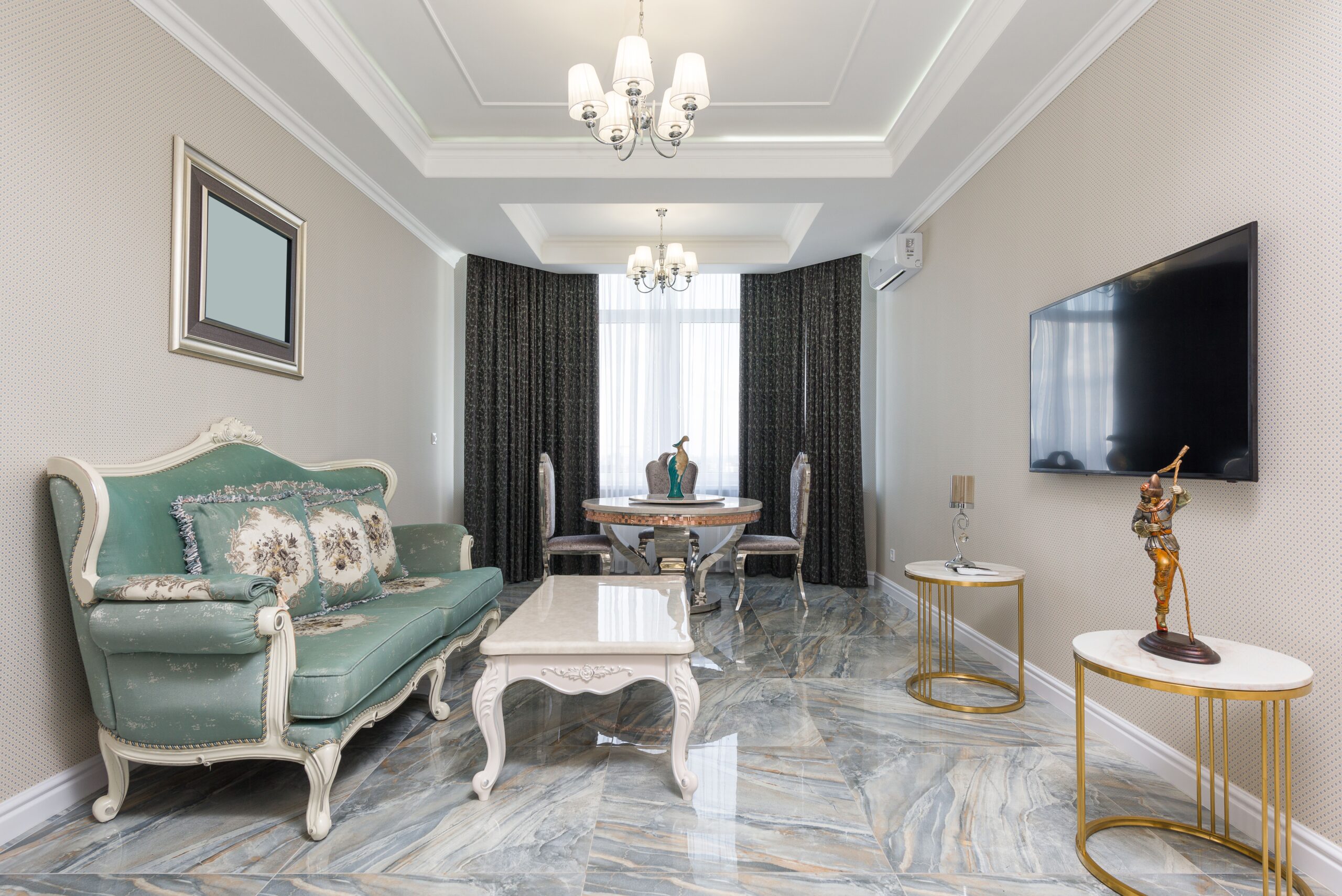
Do this: pull your sofa just one foot away from the wall. That’s it. The gap creates depth, the walls feel further away, and the whole room suddenly looks like someone actually thought about it.
2:- Your rug is making the floor look chopped up
Okay, this one’s quick but important — a rug that only fits under the coffee table isn’t anchoring anything. It’s just a small mat that wandered into the middle of the room. The rug’s job is to say “this is the seating area and it belongs here.” Too small, and it can’t do that job no matter how nice it is.
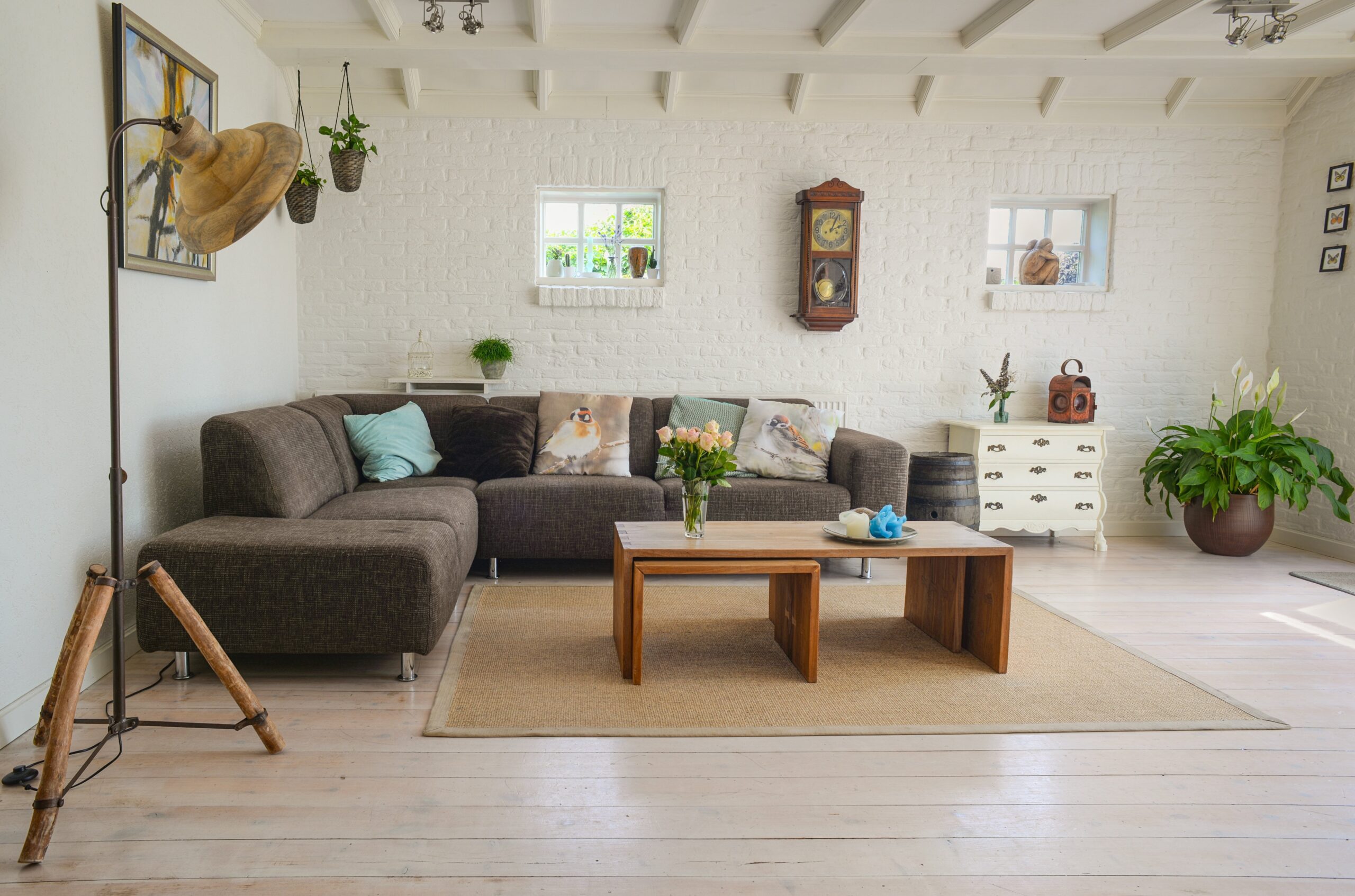
Do this: the front legs of every seat in the room should sit on the rug — that’s the minimum. If yours can’t do that, go one size up before you change anything else. It’s genuinely often the one move that makes a whole layout click.
3:- Your furniture looks right in the showroom, not in your room
Here’s the one that surprises people: furniture that’s too small for a room reads as smaller, not bigger. Buying a smaller sofa hoping to open up a space usually just makes the room look like something’s missing. There’s an awkward emptiness that a properly sized piece would fill.
The counterintuitive truth — and I say this having argued the other way myself — is that a slightly larger sofa in a small room almost always looks more intentional than a slightly smaller one. If you’re between two sizes, the bigger one is usually right.
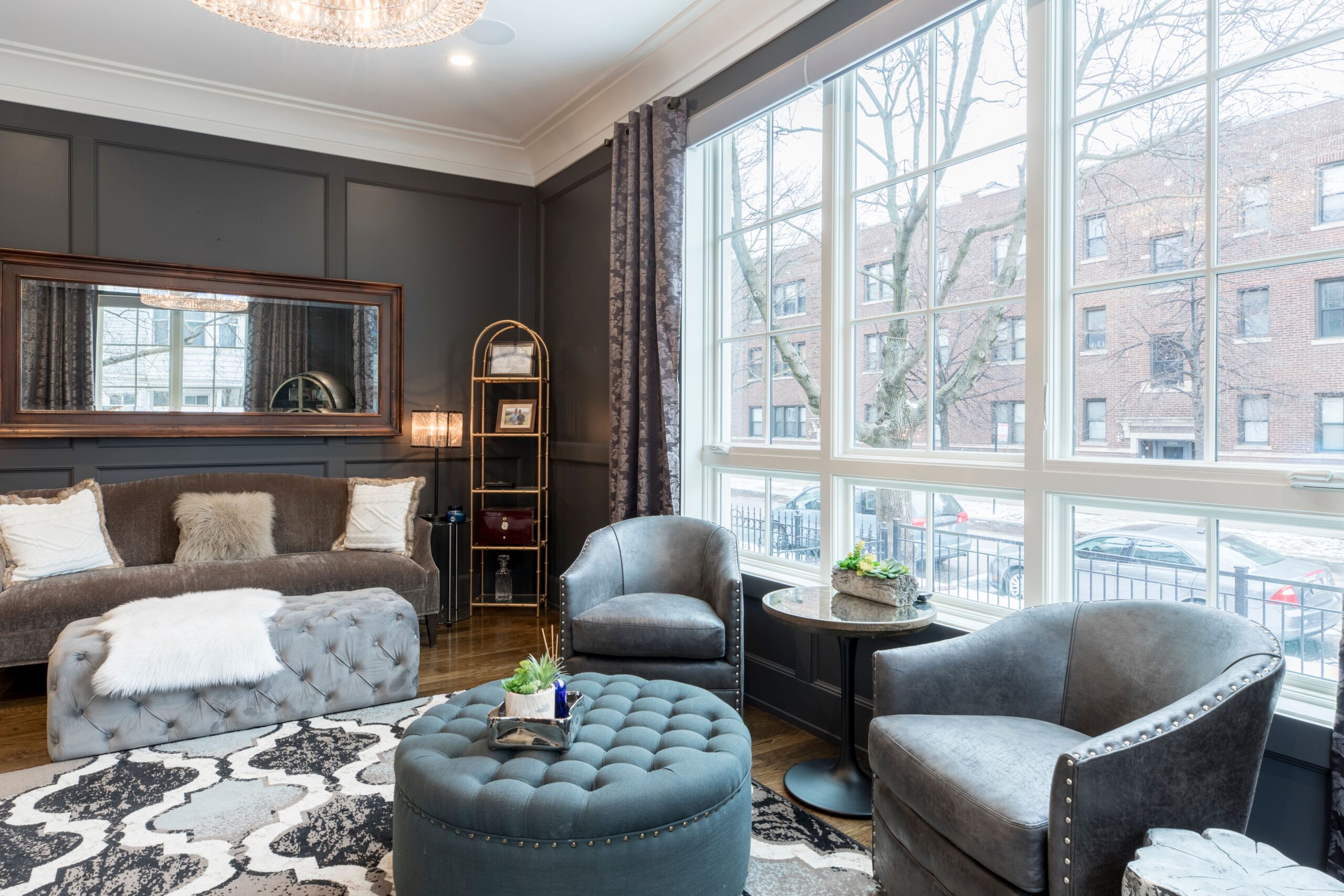
Do this: measure your space, then look at what you currently have. If your sofa looks like it’s just visiting, it might be a size too small. Trust the room more than the showroom.
4:- There’s nowhere soft to land
Every room I’ve ever genuinely wanted to stay in has had one thing in common: something soft within arm’s reach. A throw that you grab without thinking. A pillow that gets repositioned. An ottoman that your feet find before your brain does. You don’t decide to get comfortable — it just happens, because the room made it easy.
Most living rooms are designed entirely for the eyes. They look composed, they photograph well, and then you sit down and nothing is actually reachable and the seat isn’t quite deep enough and after an hour you’ve drifted somewhere else in the house without even noticing you left.
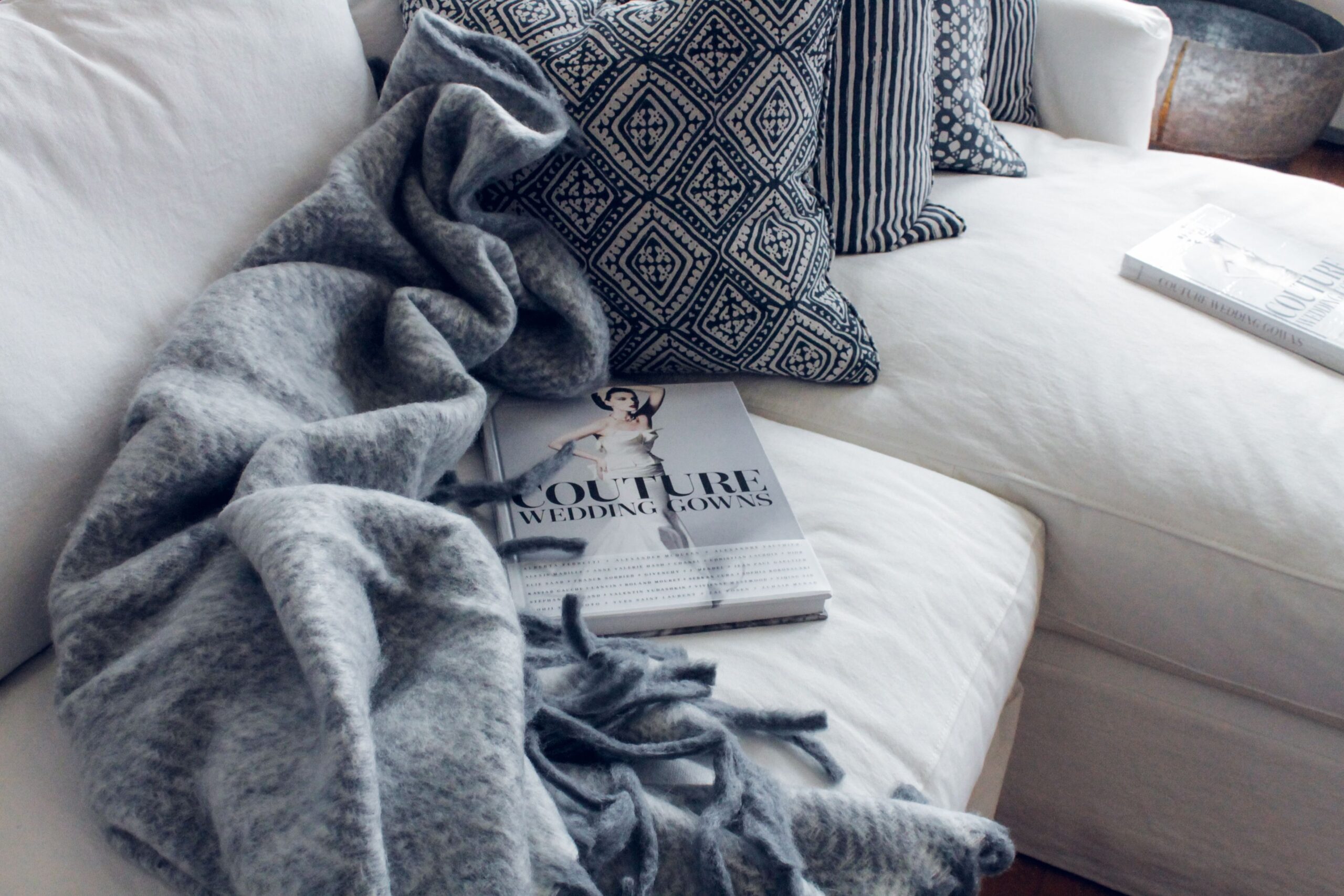
Do this: grab the throw blanket from your bedroom and put it on the sofa arm tonight. Don’t buy anything yet. Just see if having one soft, reachable thing changes how long you actually stay in the room.
5:- You only have one light and it’s above your head
Overhead lighting is there so you don’t trip on your way to the sofa. That’s about it. It was never designed to make a room feel warm or alive in the evenings — and when it’s the only light source, the room ends up feeling flat and faintly clinical no matter what you’ve done with the furniture.
The fix is layering: a floor lamp near where you actually sit, a table lamp somewhere across the room, and then — most people skip this part — try turning the overhead off entirely one night and using only the lamps. It’ll feel completely different. Almost certainly better.
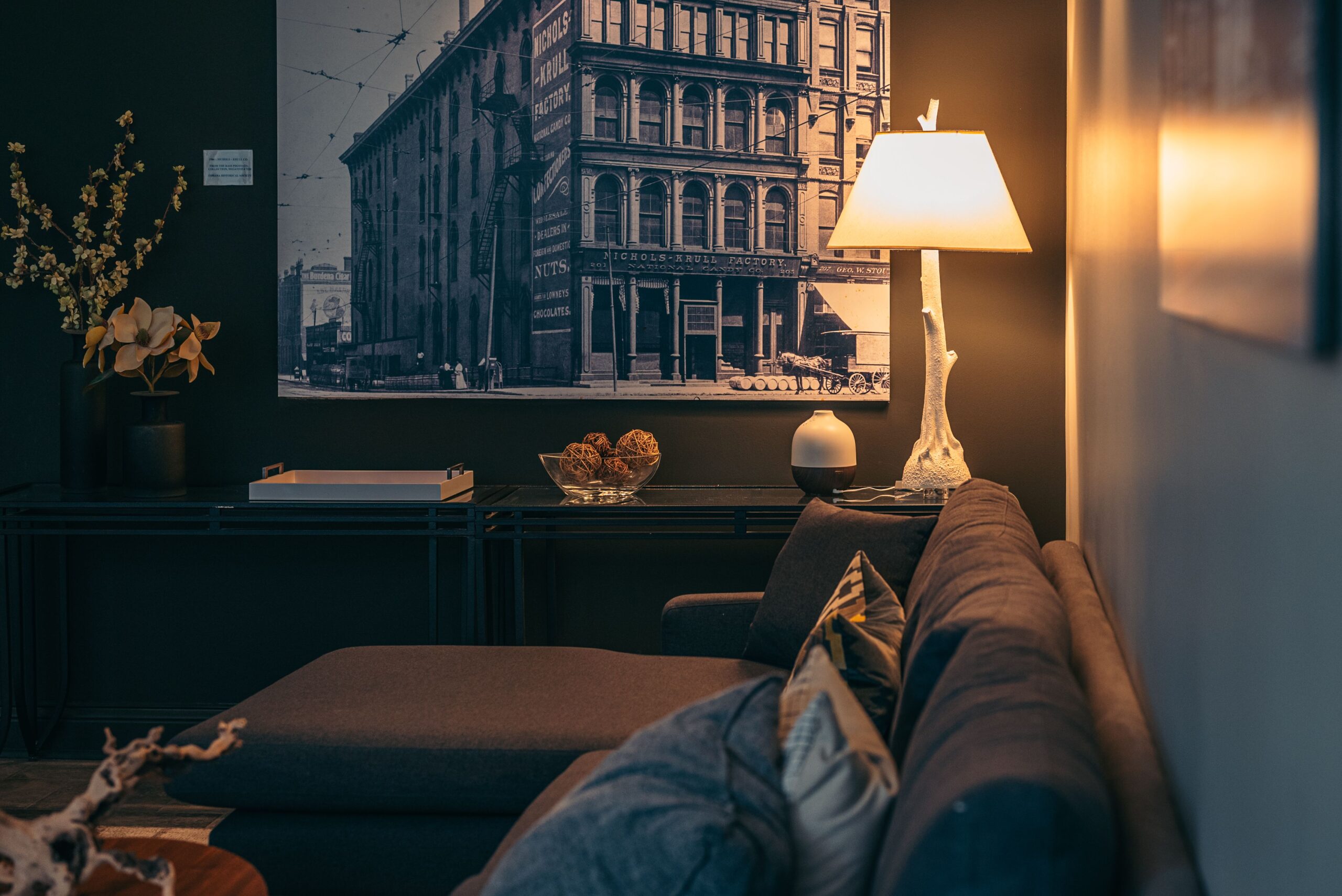
Do this: turn your overhead off tonight and use only whatever lamps you have. If the room feels immediately warmer and you wonder why you haven’t done this before, that’s your answer.
6:- he walkways are too narrow — and your body clocked it before your brain did
Ever notice how you automatically turn sideways to get past the coffee table, even when nobody else is in the room? Or how you slightly hold your breath squeezing past a particular corner? That’s not clumsiness. That’s your nervous system registering a cramped walkway before you’ve consciously noticed it. Cramped spaces create a low-level discomfort that researchers who study how physical space affects behavior have confirmed — your body is doing this math constantly, whether you realize it or not.
The target is 30-36 inches between major furniture pieces where people walk, and at least 18 inches everywhere else. You don’t need a tape measure for most of it — just walk through the room naturally and notice where your body adjusts. That adjustment is the problem showing you exactly where it lives.
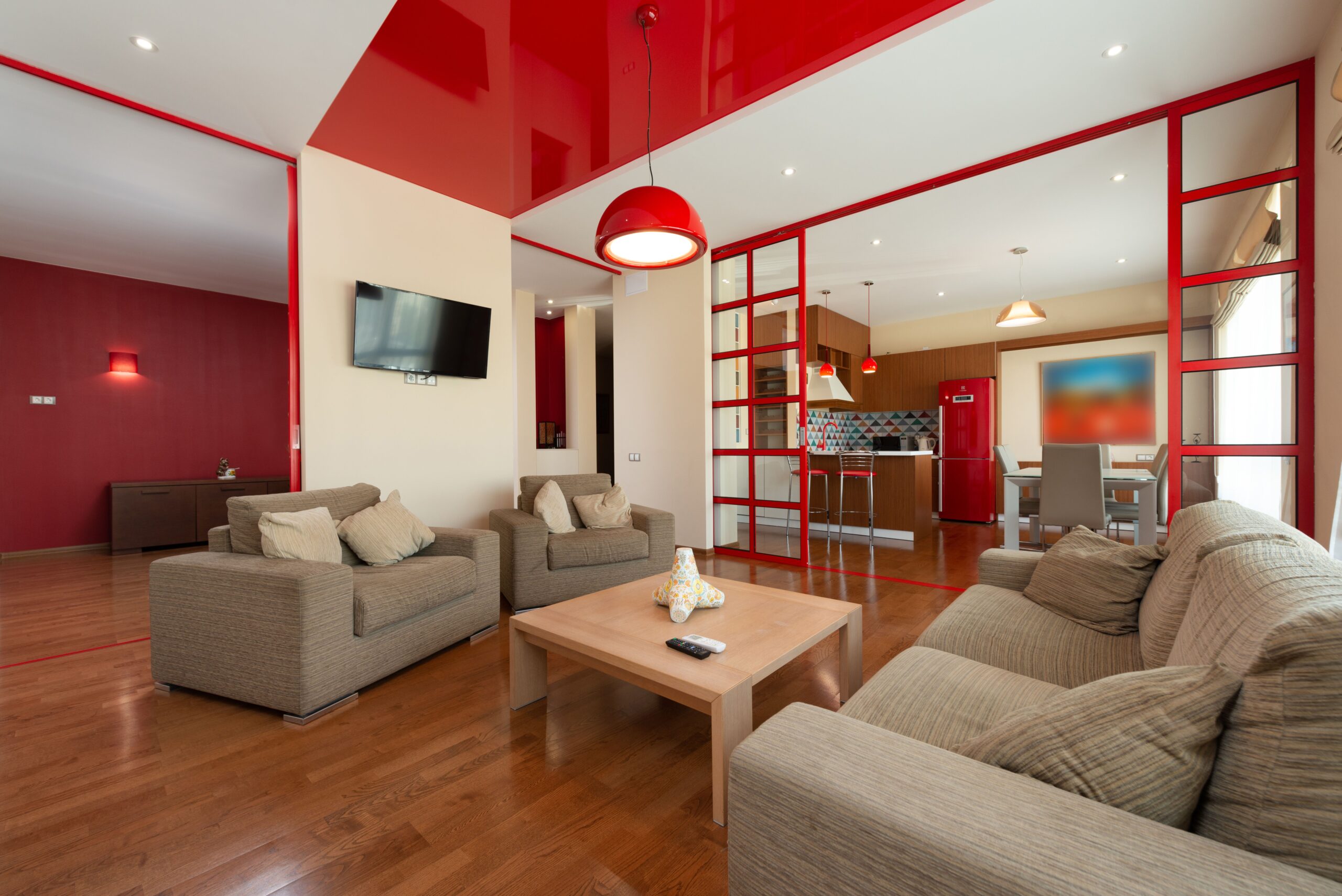
Do this: walk your room right now like you’re crossing it to get something. Where do you turn sideways? That’s where something needs to move.
7:- You’re filling every corner because empty space makes you nervous
Luxury living rooms almost never fill every square foot. That empty corner you keep meaning to do something with, that seat nobody uses, that wall you haven’t figured out — stop trying to solve them. Empty space isn’t wasted space. In a living room, it might be the most important space of all.
The instinct to fill every corner is understandable. It’s also almost always wrong. One unfilled wall, one surface with nothing on it, one seat that’s just there — these are the visual rest points that let the eye move comfortably around a room without feeling overwhelmed. Leave the empty corner empty, on purpose, just for a week. See if the room breathes differently.
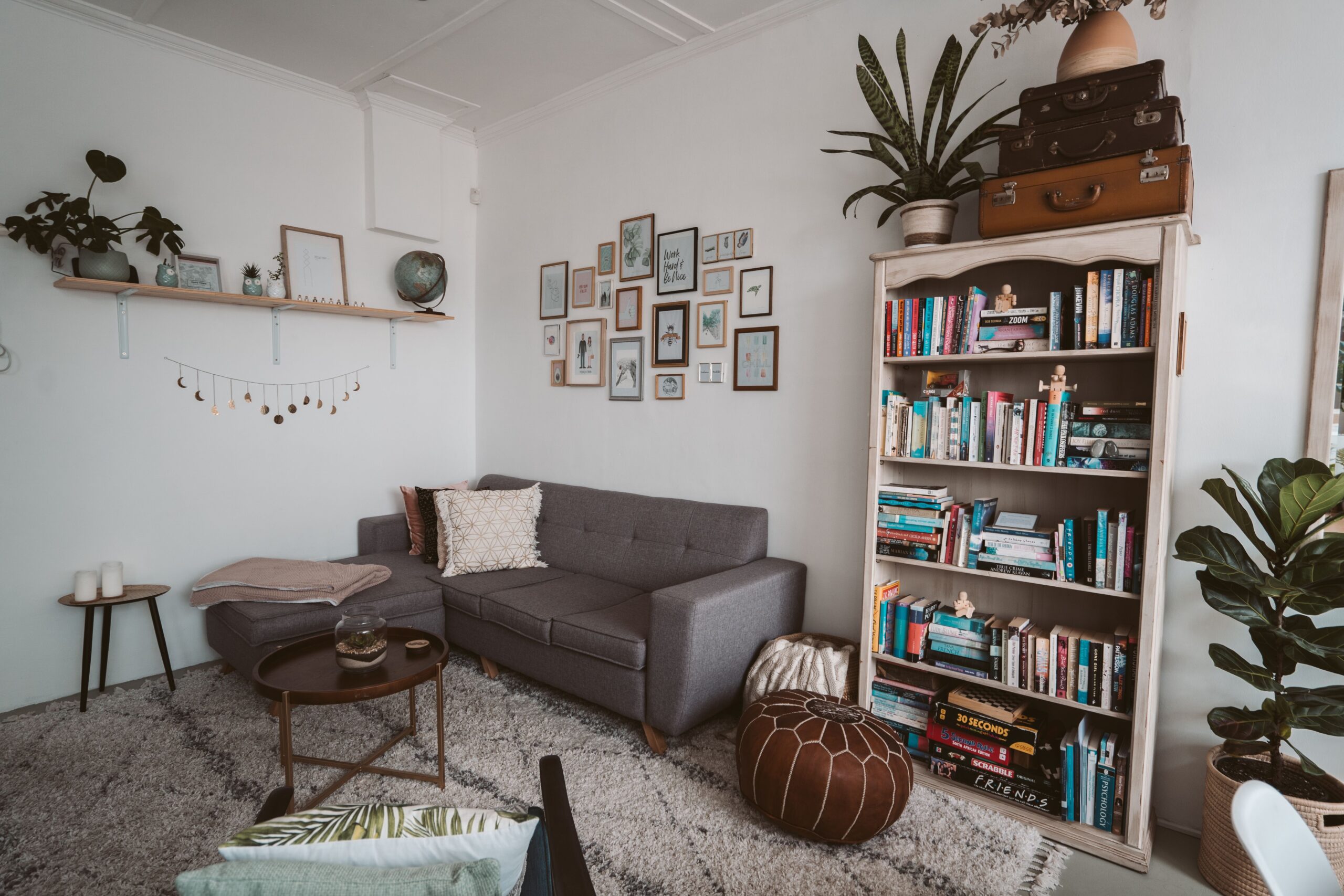
Do this: identify the corner or surface you keep trying to fill. Leave it empty for one week. Seriously — just try it.
8:- The room is arranged for the person walking in, not the one sitting down
Here’s the thing I think almost every living room article misses, and it’s the thread running under everything above. Most living rooms are optimized for the first three seconds — what someone sees from the doorway, what reads well in a photo, what looks finished when guests arrive. And then you sit down.
And the lamp is two feet too far to reach without getting up. And the chair that looked right from the door is too far for comfortable conversation. And the thing your eye lands on from the sofa is a blank wall you’ve never quite solved.
The Sunday test catches all of it. Sit in your actual seat. Stay five quiet minutes. Notice what feels slightly off — not from the door, but from where you actually live in the room.
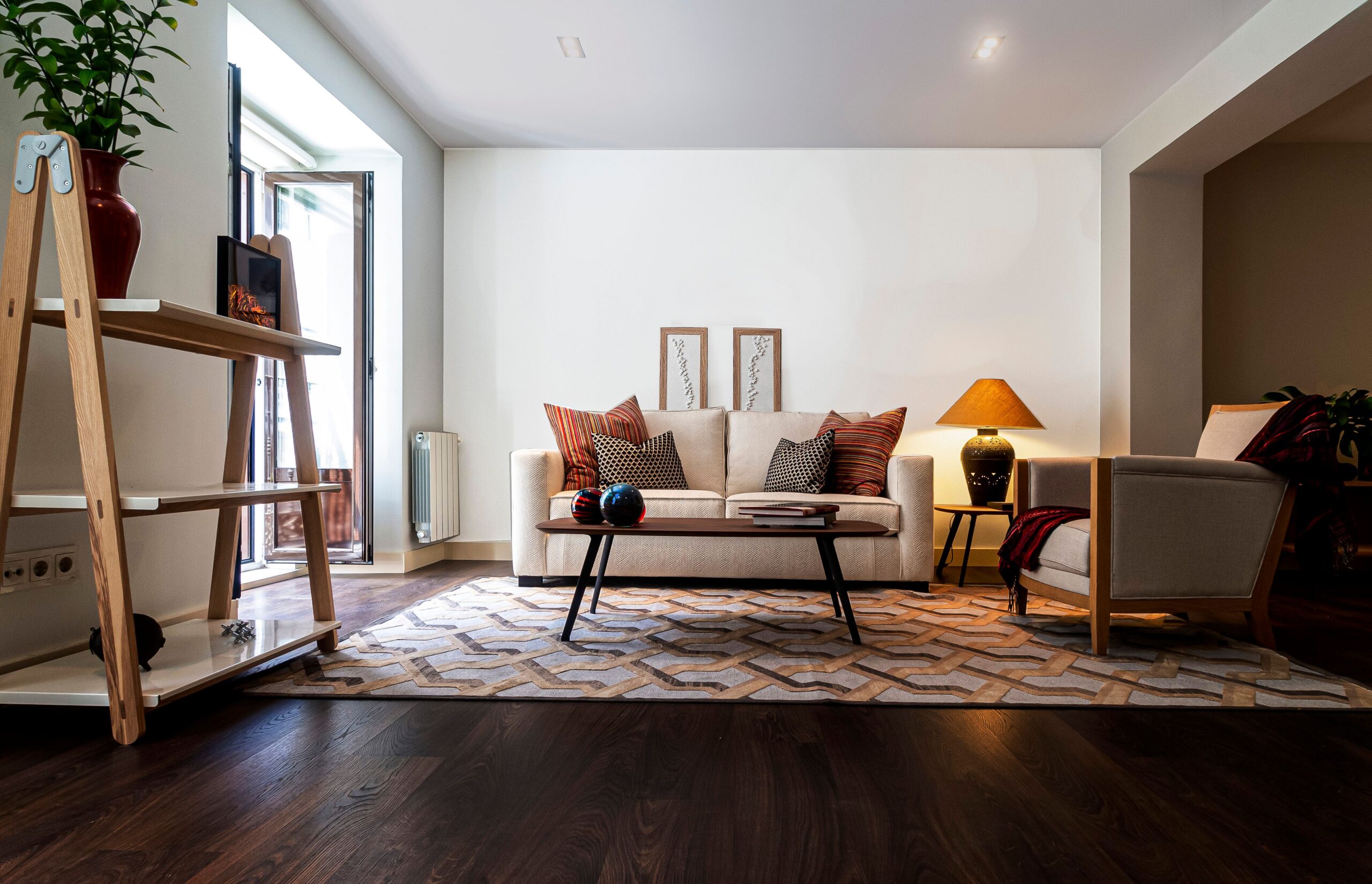
Your living room has been trying to tell you what it needs for a while now. You just finally stopped long enough to hear it.
Sometimes the room wasn’t asking for a renovation. It was asking you to slow down long enough to notice what already wasn’t working.
Because the best living rooms aren’t the ones that impress guests for five minutes—they’re the ones that quietly take care of the people who live in them every single day.