You’ve washed the sheets. You’ve fluffed the throw pillows. You’ve even lit the candle you got as a gift two birthdays ago. And somehow, your bedroom still feels off.
Not messy. Not ugly. Just… not relaxing.
That’s because a calming bedroom isn’t really about how it looks in photos. It’s about how it feels when the day is over and there’s nothing left to distract you. The best bedrooms don’t impress you. They exhale with you.
At Bluvelle, we call this the 11pm Test.
Does your room actually feel good at 11pm with the lights half off and your phone put away? Or does it only look good at 2pm with sunlight pouring through the windows?
Most bedrooms pass the second test and fail the first.
The good news is that creating a more restful bedroom usually has less to do with buying new furniture and more to do with removing the subtle things that keep your brain alert. Let’s fix those one by one.
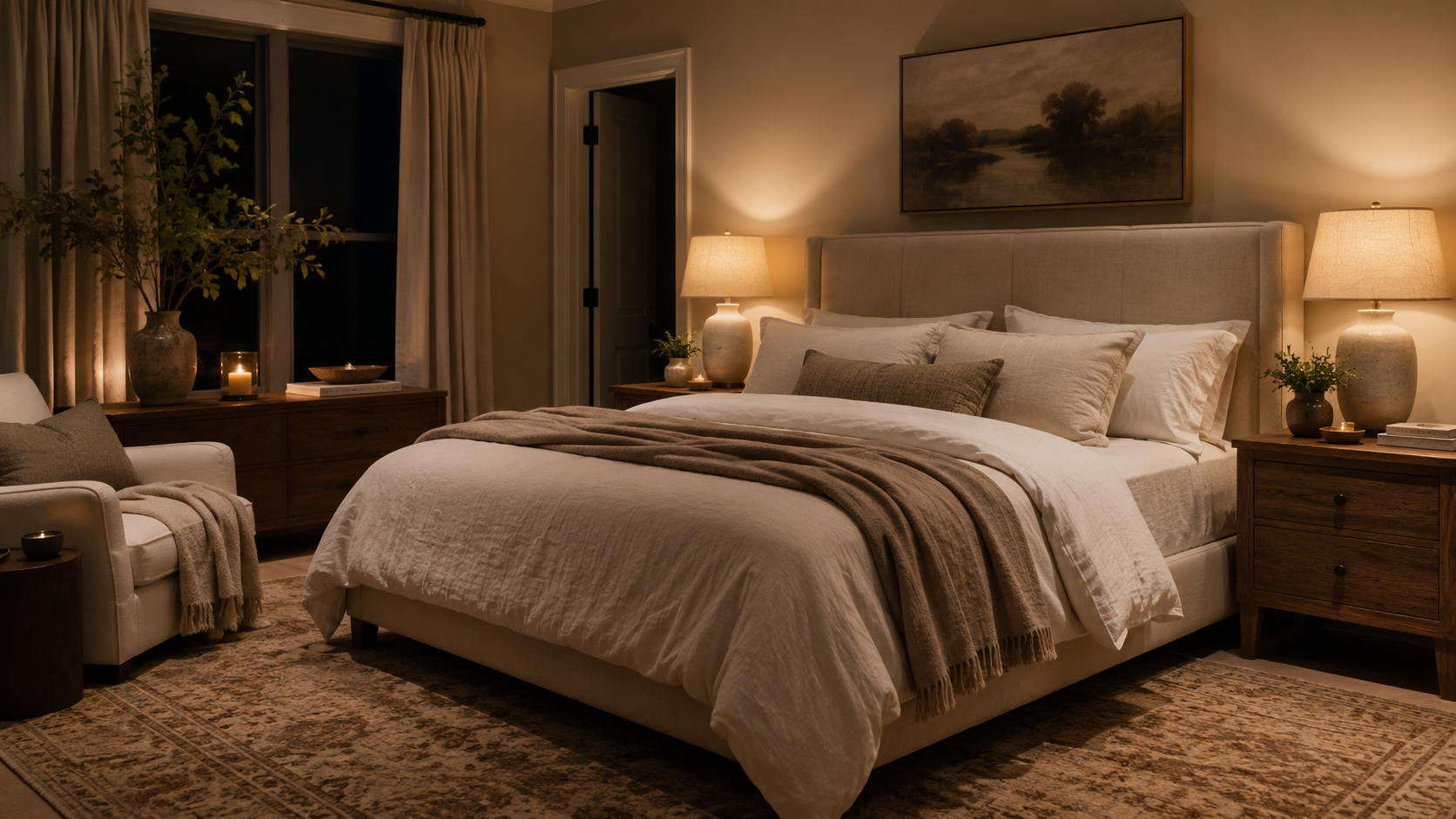
1:- Your lighting is working against you, not for you
A lot of people assume their bedroom needs new furniture when it doesn’t feel relaxing. In reality, the problem is often much simpler: the room is sending your brain the wrong signals after sunset.
Cool, bright overhead lighting quietly tells your body to stay awake. Warm, layered lighting tells it the day is ending.
The difference sounds small until you experience it. A warm lamp in the corner can transform a room from “the place where I keep my furniture” into “the place where the day ends.”
Do this: swap in warm, 2700K bulbs — look for “soft white” on the box at Home Depot or Target — and put them on a $15 plug-in dimmer. Add a lamp by the bed and one across the room, then shut the overhead off most nights. Designer Liz Potarazu recommends tackling lighting before anything else on this list, then clutter, then bedding, in that order — because that sequence delivers the biggest shift with the least overwhelm.
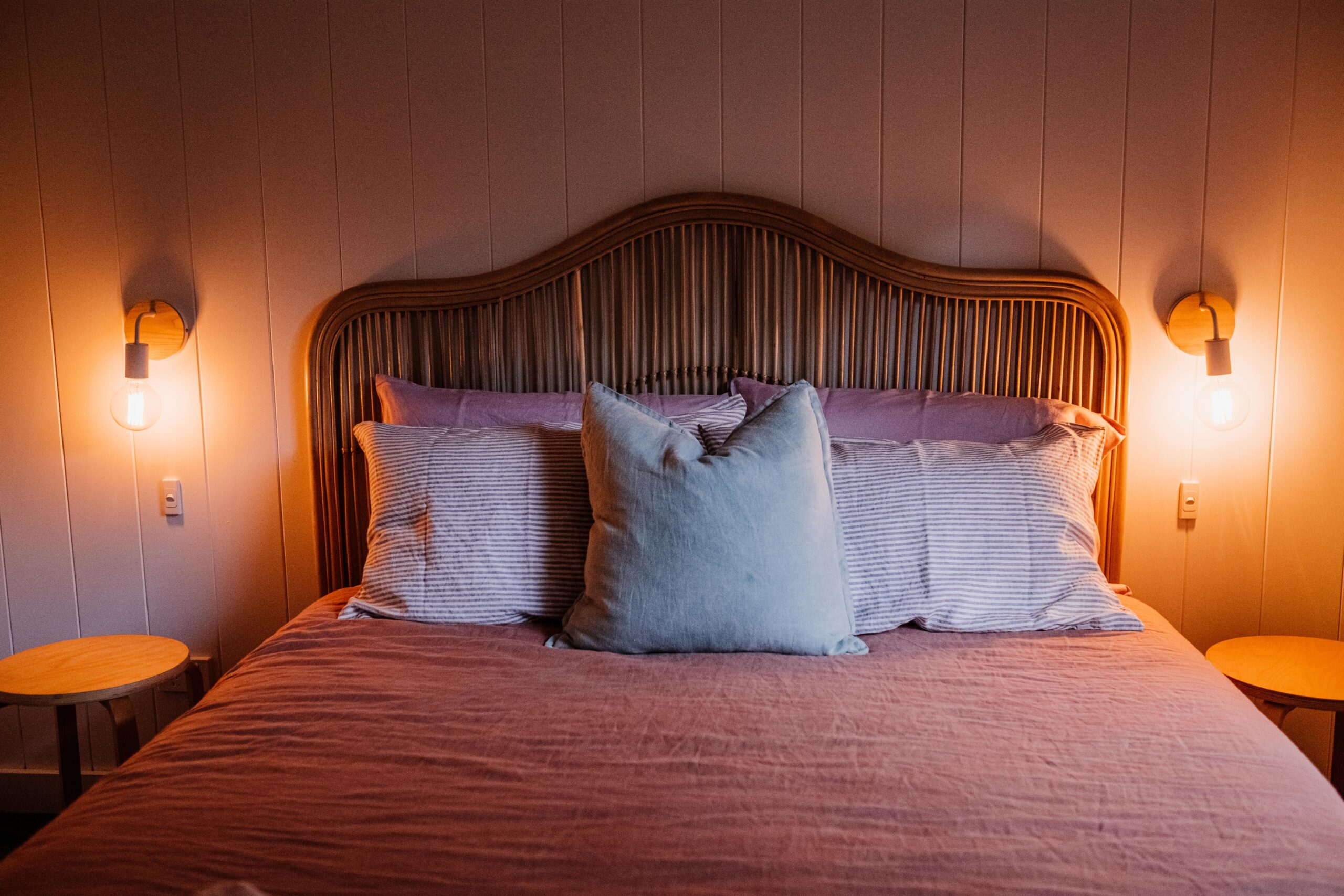
2:- Your bed is in the wrong spot — in two different ways
This is really two problems that show up as one feeling. First, designer Alina Mehrle calls the bed “the altar of the space” — it deserves your widest, most solid wall, not a corner it got pushed into during a move.
Second, and separately, feng shui calls this the “command position”: your bed placed so you can see the bedroom door without lying directly in line with it.
One Homes & Gardens writer spent months tossing and turning before learning this, moved her bed off the wall it shared with the door, and said the room “almost instantly felt more restful, inviting, and well-balanced.” No new furniture. Just placement.
Do this: center your bed on your widest solid wall if you can, with a nightstand on each side. If your headboard currently shares a wall with the door, or sits directly under a window, that’s very likely part of why the room feels unsettled even when it’s clean and styled. Move it if your layout allows.
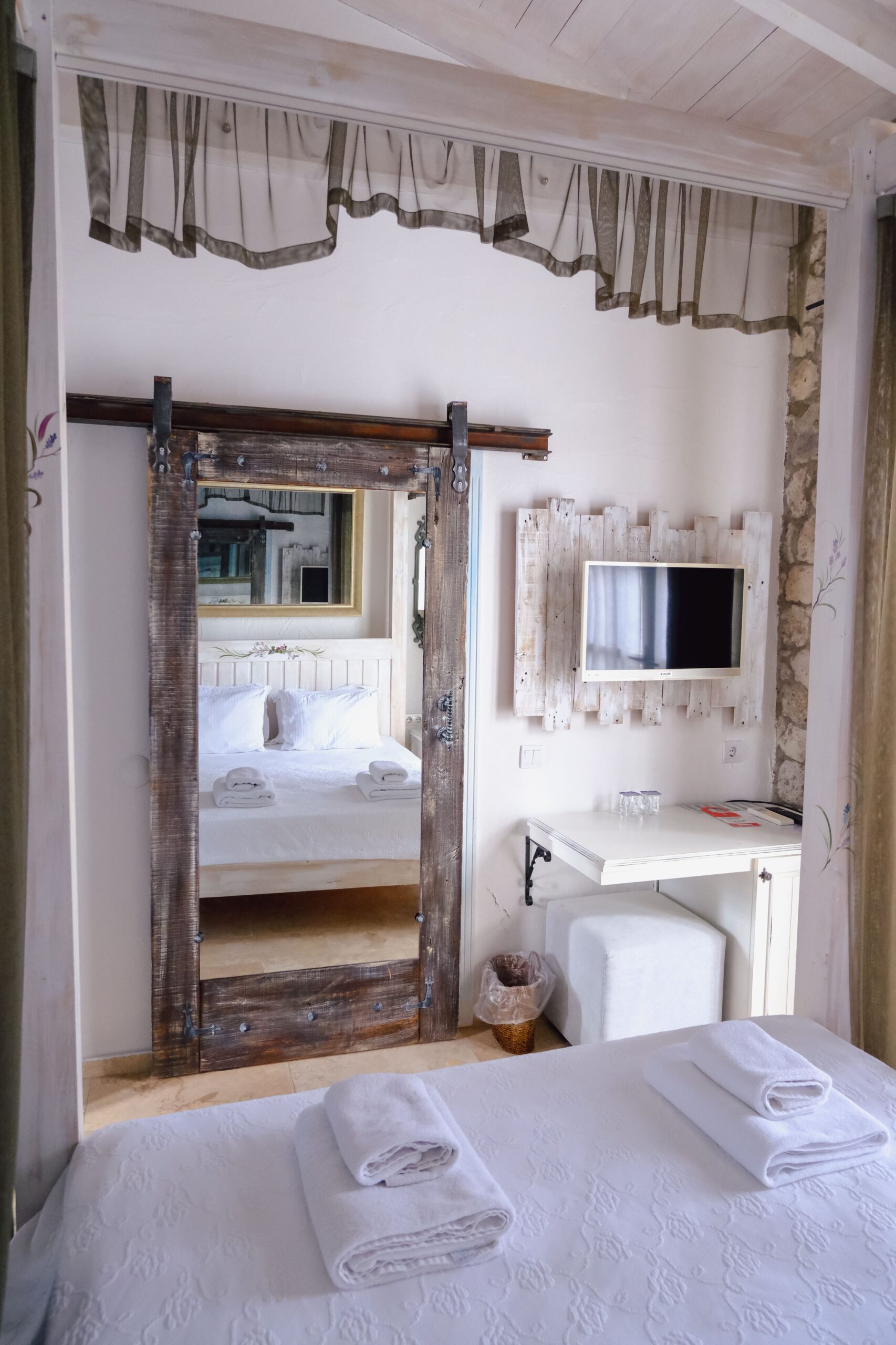
3:- There’s clutter you’ve stopped noticing
One Bluvelle reader told us she spent months trying to make her bedroom feel calmer. She bought new bedding, added artwork, and even rearranged the furniture.
Nothing worked.
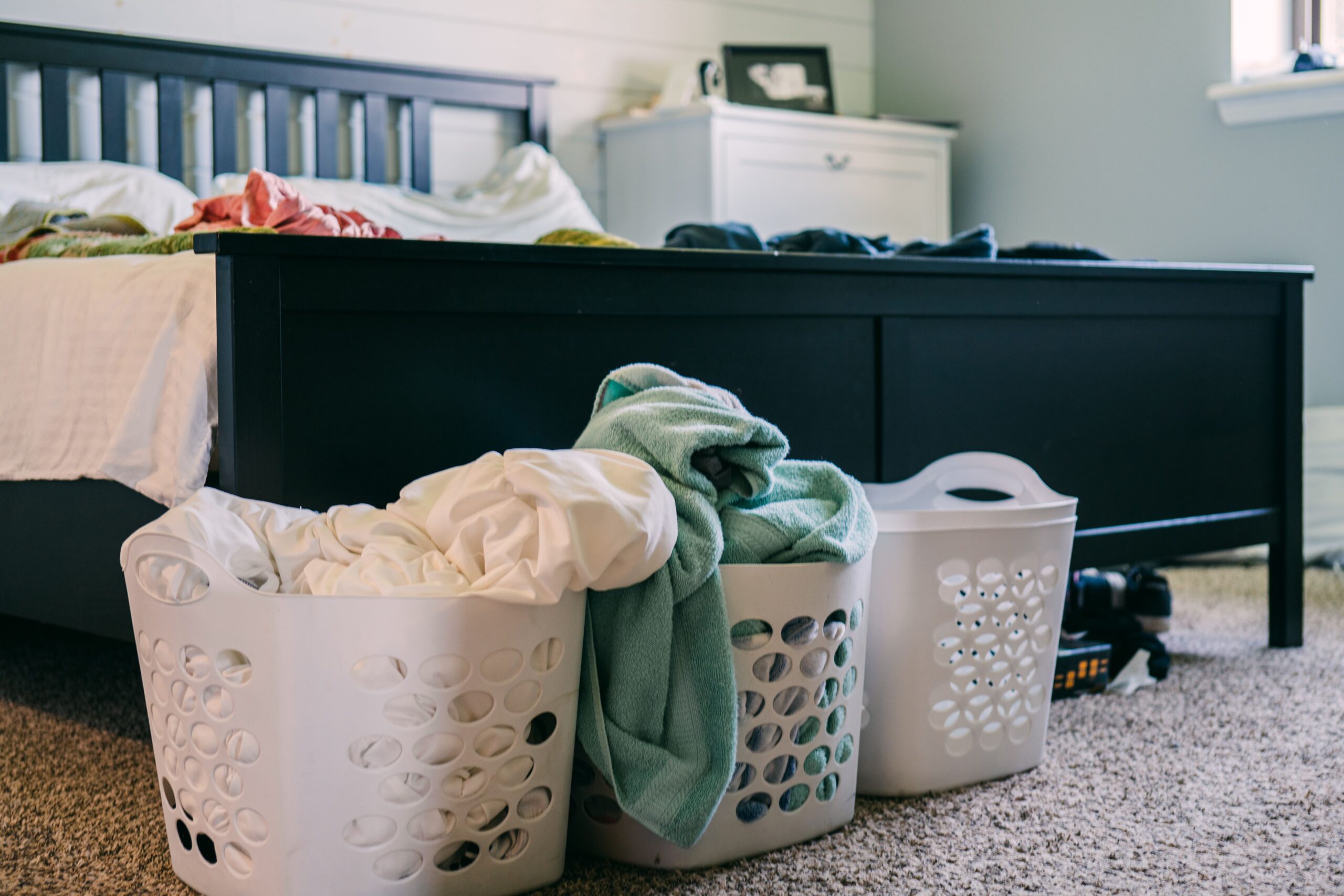
The real problem turned out to be a chair in the corner that had quietly become permanent laundry storage. Once it disappeared, the entire room felt lighter.
That’s the thing about clutter: your eyes eventually stop noticing it, but your brain never fully does.
Do this: the 3-item rule. Nightstands get a max of three things on top — a lamp, a glass of water, maybe a book. Everything else goes in a drawer.
4:- Your nightstand is doing too much
The last thing your eyes see before sleep matters more than most people realize.
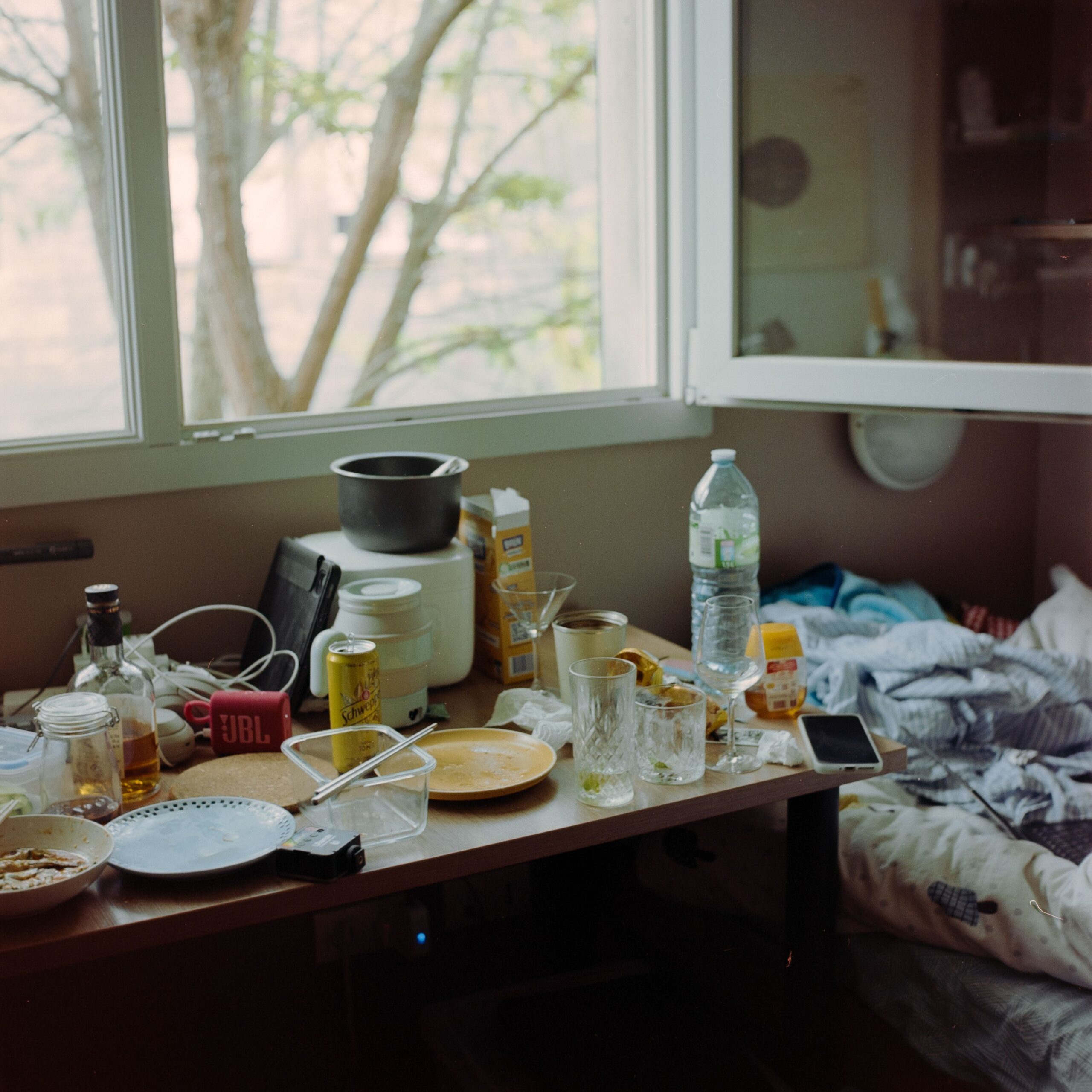
A nightstand piled with charging cables, half-finished water bottles, receipts, medication packets, and yesterday’s coffee mug creates what we like to call visual noise. None of those things are dramatic on their own, but together they quietly remind your brain of unfinished tasks, responsibilities, and tomorrow’s to-do list.
A relaxing bedroom should feel like a soft landing at the end of the day—not another surface demanding your attention.
This doesn’t mean your nightstand needs to look like a magazine photo. It just means being intentional about what earns a place beside your bed.
Do this: keep only the essentials within reach—a lamp, a book, and a glass of water are usually enough. Everything else belongs in a drawer or somewhere else entirely. If your current nightstand doesn’t have storage, a small basket underneath can work just as well.
And if you’re shopping for a new one, choose a nightstand that’s roughly level with your mattress. It’s a small detail, but it tends to feel more balanced and comfortable to use every day.
5:- Your phone is sleeping with you
If your phone charges on your nightstand, your brain has quietly learned this room is also for emails, group chats, and doom-scrolling — not just rest. A bedroom that doubles as your last screen of the day has a much harder time feeling like an actual sanctuary.
Do this: move the charger to the hallway or the kitchen counter. You’ll still wake up on time. Promise.

6:- Everything matches, and that’s exactly the problem
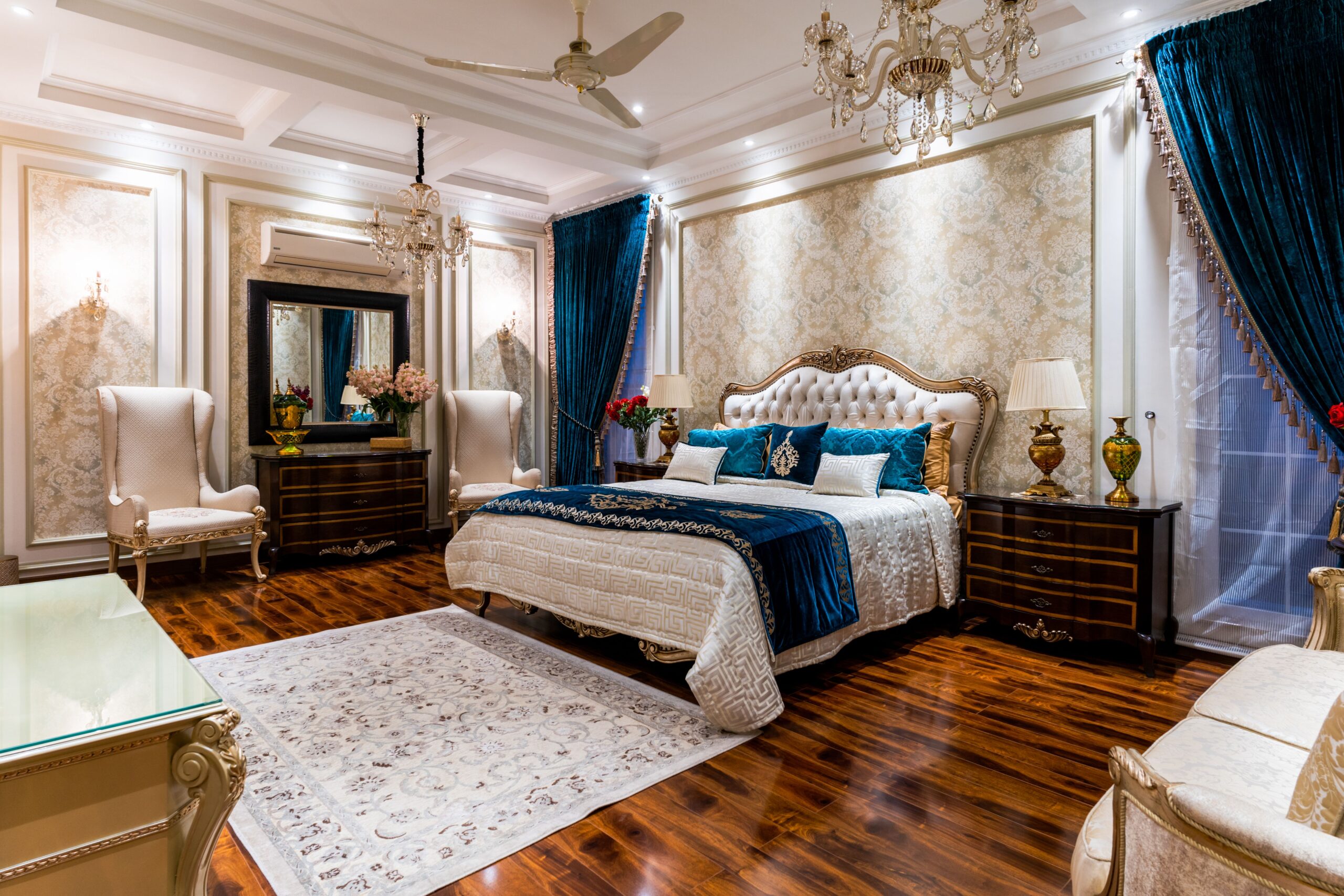
This is the counterintuitive one. Bluvelle points out that a bedroom where everything is the same height, finish, and matching set “feels like a hotel room, not a sanctuary.” Most people assume matching furniture equals a calmer room. It’s often the opposite — a too-coordinated room can feel sterile, while mixing textures, periods, and scales on purpose is what actually makes a room feel lived-in and calm.
Do this: if your nightstands, lamps, and frames all came from one matching set, swap just one piece for something with a different shape or material. One mismatched lamp does more for warmth than a whole new matching set ever will.
7:- There’s nothing soft to touch
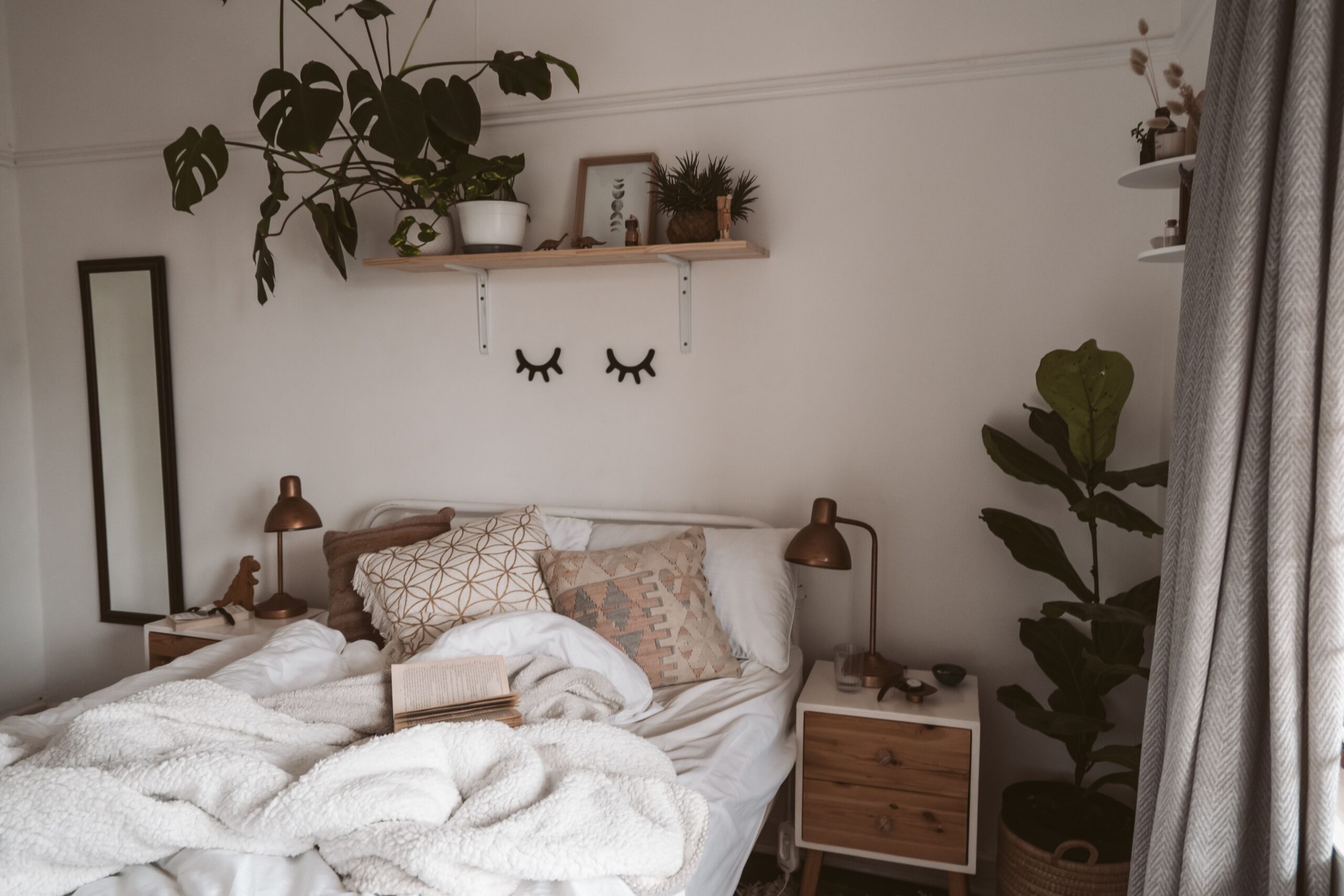
A bedroom that looks good in photos but feels stiff in person is usually missing texture, not style. A weighted blanket, a linen duvet cover, a chunky knit throw at the foot of the bed — these aren’t just decorative. Texture is one of the fastest ways to make a room feel like it’s holding you instead of just containing you.
Do this: add one genuinely soft layer this week. Just one. You’ll feel the difference by the weekend.
8:- The room doesn’t smell or sound like rest
Most bedroom advice stops at how a room looks and skips how it actually feels to your other senses — but scent and sound are often the last 10% that separates “nice room” from “I never want to leave this room.” Lavender, chamomile, and sandalwood are the three scents most consistently linked to winding down, and they work best lightly, not as a wall of fragrance the second you walk in.
Do this: one softly scented candle or a diffuser used sparingly, plus a simple white noise machine if outside noise creeps in. Small dose, used consistently every night — that’s what turns it into a signal your body recognizes, not just a nice smell.
9:- Your wall art is too small, or hanging in the wrong place
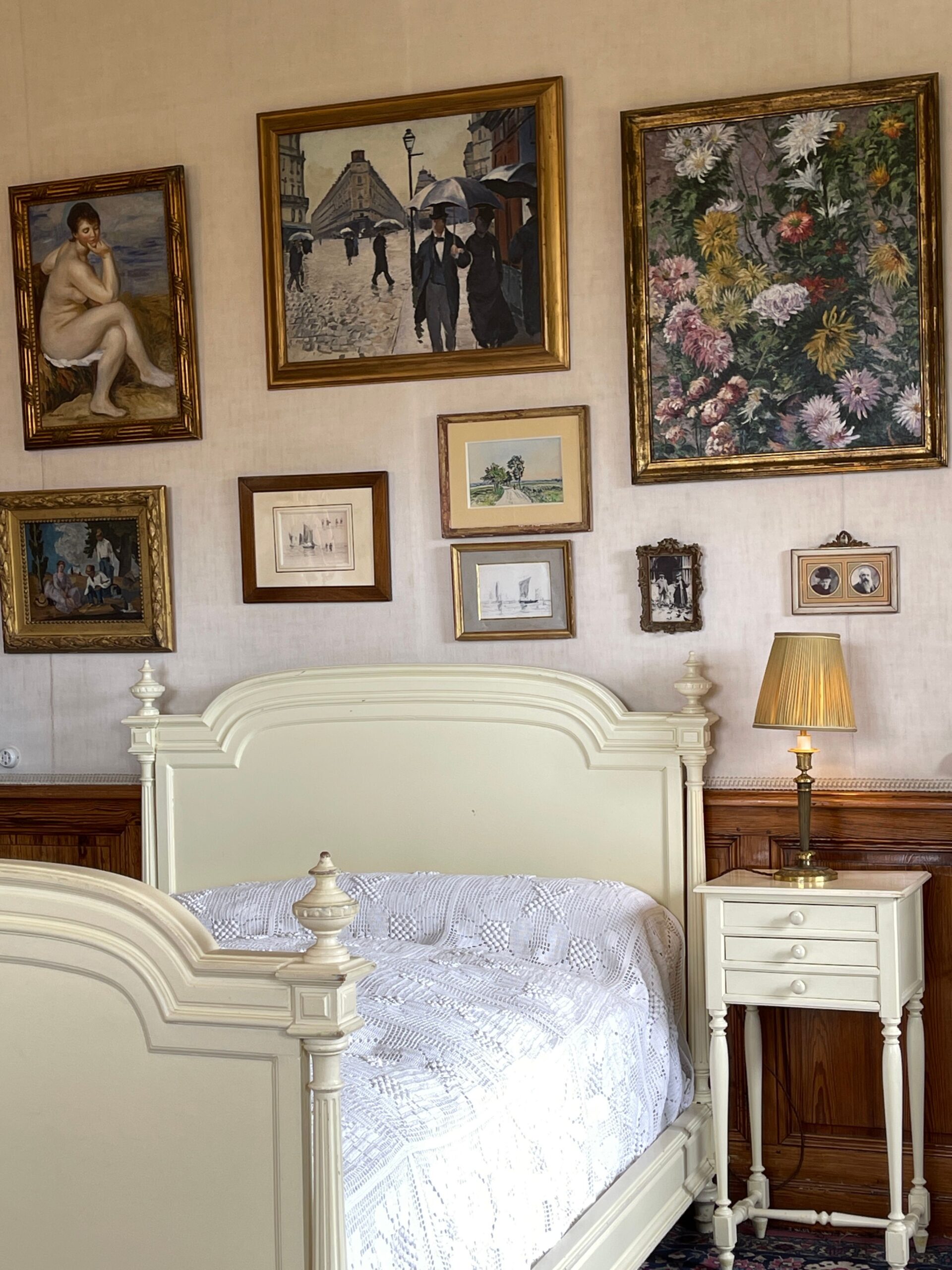
Two separate issues that look the same from across the room. Designer Barrett Oswald notes that undersized artwork “often reads as an afterthought” and leaves a wall feeling unfinished. Separately, and more specific to sleep: a heavy mirror, shelf, or frame mounted directly above the headboard can make a room feel subtly unsettled, since your brain quietly registers something hovering above you while you’re trying to relax.
Do this: go bigger with art on side walls than you think you need to — and if anything heavy currently hangs right above where your head lies, move it to a side wall instead.
10:- The room is decorated for guests, not for you
Here’s the one we haven’t seen any of the big decor sites say directly, and it’s the thread running under all nine points above: a lot of bedrooms are styled to look good in a photo, or to impress whoever walks past the open door — not to actually feel good to the one person sleeping there every single night.
We’ve gotten so used to designing rooms to be looked at that we’ve forgotten the bedroom is the one room in the house nobody else is supposed to be grading.
Here’s a quick way to catch yourself doing this: walk through your room and notice which items you positioned for how they’d look to a guest, versus which ones you positioned for how they feel to actually use at night. If most of your room was arranged for the first kind of moment, that’s very likely why it keeps failing the 11pm test.
Do this: ask yourself honestly — would you decorate this room the same way if no one but you would ever see it? Whatever changes when you answer that question, start there.
Tonight, don’t try to redesign your entire bedroom.
Don’t order new furniture.
Don’t start a renovation.
Don’t spend three hours scrolling Pinterest.
Just stand quietly in the doorway.
Look at the room the way you’d look at a hotel room the moment you arrive.
Then ask yourself one question:
Does this room help me let go of the day, or does it remind me of everything still left to do?
The answer will tell you exactly where to start.
Because the most relaxing bedrooms aren’t necessarily the most expensive or the most stylish. They’re the ones that feel like a soft landing at the end of a long day.
That’s really the heart of the Bluvelle philosophy.
Your home doesn’t need to impress people who don’t live in it. It only needs to support the people who do.
And sometimes, that transformation starts with something as simple as swapping a light bulb, clearing a chair, or finally passing the 11pm Test.